
The global logistics industry stands at a critical crossroads, where environmental responsibility meets operational efficiency. As climate change accelerates and resource scarcity becomes increasingly urgent, zero-waste logistics emerges as a transformative solution for sustainable supply chain management.

Traditional logistics systems have long contributed significantly to environmental degradation through excessive packaging, carbon emissions, and resource waste. The shift toward zero-waste principles represents not just an ethical imperative but a strategic business opportunity that can redefine how goods move across the planet while preserving it for future generations.
🌍 Understanding Zero-Waste Logistics in Modern Supply Chains
Zero-waste logistics encompasses a comprehensive approach to supply chain management that aims to eliminate waste at every stage of the transportation and distribution process. This philosophy extends beyond simple recycling, embracing a circular economy model where materials continuously flow through production, consumption, and regeneration cycles without becoming waste.
The concept challenges conventional linear logistics models that follow a take-make-dispose pattern. Instead, zero-waste logistics reimagines every touchpoint in the supply chain as an opportunity to reduce, reuse, and regenerate resources. From warehouse operations to last-mile delivery, this approach fundamentally transforms how businesses think about efficiency and environmental stewardship.
Leading organizations worldwide are discovering that zero-waste logistics isn’t merely about environmental compliance—it’s about creating competitive advantages through resource optimization, cost reduction, and enhanced brand reputation. Companies implementing these strategies report significant improvements in operational efficiency alongside their sustainability metrics.
The Economic Case for Waste Elimination in Transportation
Beyond environmental benefits, zero-waste logistics delivers compelling financial advantages that strengthen business performance. Organizations that embrace waste reduction strategies typically experience decreased operational costs through improved resource utilization and reduced disposal expenses. The financial impact extends across multiple dimensions of logistics operations.
Packaging optimization alone can generate substantial savings by reducing material costs and transportation expenses. When companies design packaging systems that eliminate waste, they simultaneously reduce weight and volume, leading to more efficient vehicle loading and reduced fuel consumption. These compound savings create lasting competitive advantages in price-sensitive markets.
Insurance costs, regulatory compliance expenses, and risk management investments also decrease when companies adopt zero-waste practices. Environmental incidents, regulatory penalties, and reputation damage from wasteful practices carry significant hidden costs that prudent businesses increasingly recognize and address through proactive sustainability measures.
Quantifying the Return on Sustainability Investment
Research demonstrates that companies implementing comprehensive zero-waste logistics programs typically achieve positive returns within 2-3 years. Initial investments in sustainable infrastructure, technology, and training are offset by ongoing operational savings and revenue enhancements from environmentally conscious consumers who prefer sustainable brands.
Market valuation increasingly reflects sustainability performance, with investors recognizing that environmental responsibility correlates with long-term business resilience. Companies with robust zero-waste logistics programs often command premium valuations due to reduced regulatory risk, enhanced brand equity, and demonstrated operational excellence.
♻️ Key Strategies for Implementing Zero-Waste Logistics
Successful zero-waste logistics implementation requires systematic approaches that address waste generation at its source while creating infrastructure for continuous improvement. Organizations must develop comprehensive strategies that engage all stakeholders and transform operational cultures.
Circular Packaging Systems and Material Innovation
Revolutionary packaging solutions form the foundation of zero-waste logistics. Companies are transitioning from single-use packaging to durable, returnable containers that circulate through supply chains indefinitely. These systems require coordination between suppliers, distributors, and retailers but deliver dramatic waste reduction and cost savings over time.
Biodegradable and compostable materials offer alternatives where returnable packaging proves impractical. Advanced bio-materials derived from agricultural waste, algae, and mushroom mycelium provide protective packaging that safely decomposes without environmental harm. These innovations eliminate the persistent waste associated with conventional plastics and foams.
Smart packaging embedded with IoT sensors enables precise tracking and optimization of container lifecycles. These technologies help companies maximize packaging utilization, predict maintenance needs, and ensure materials remain in productive use rather than becoming waste. Data-driven packaging management transforms logistics efficiency while advancing sustainability goals.
Route Optimization and Carbon-Neutral Transportation
Advanced route optimization algorithms minimize fuel consumption and emissions by calculating the most efficient delivery paths. Machine learning systems analyze traffic patterns, delivery windows, weather conditions, and vehicle capacity to generate optimized routes that reduce miles traveled and fuel burned while maintaining service quality.
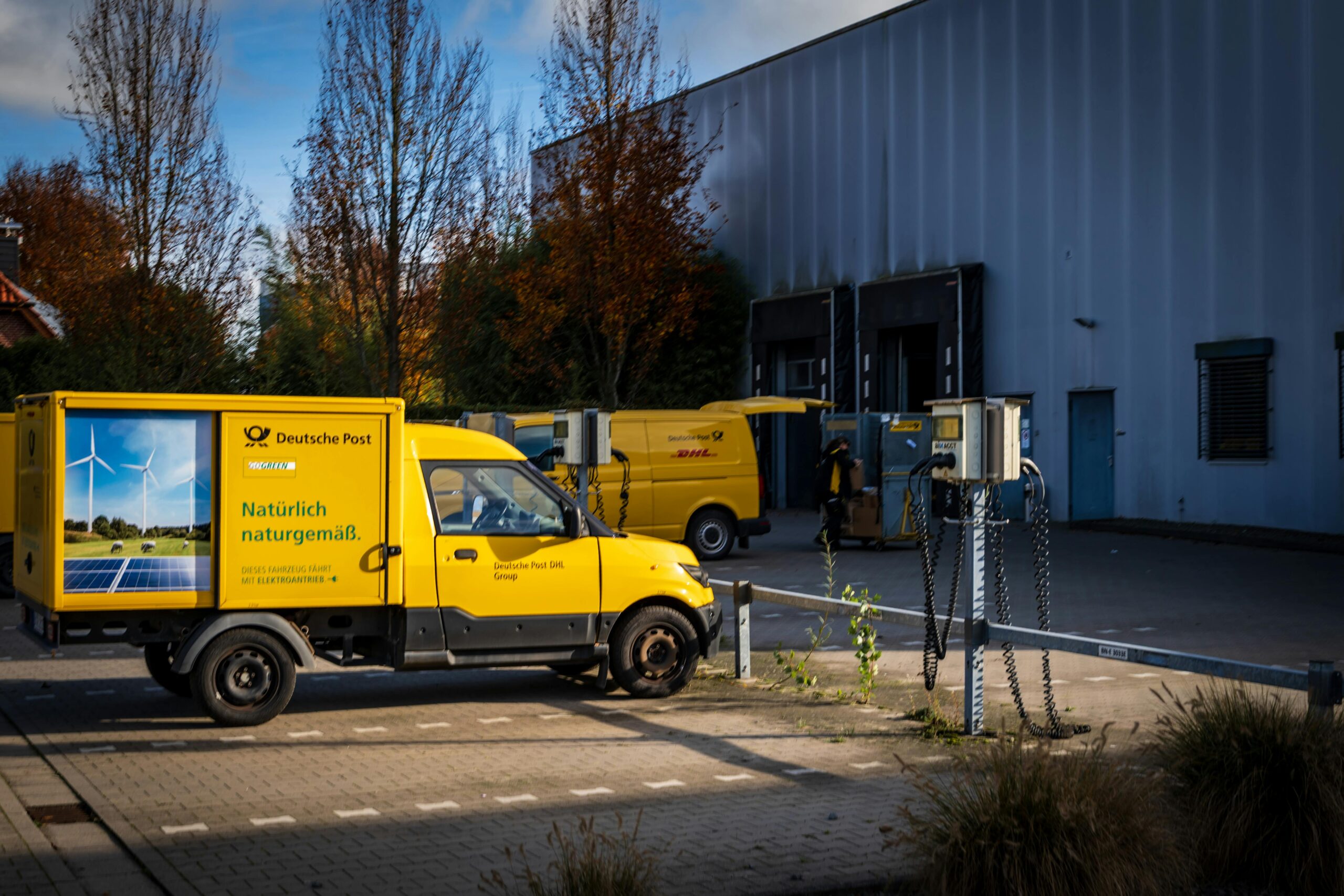
Electric and alternative-fuel vehicles are rapidly becoming viable options for zero-emission logistics operations. Battery technology improvements, expanding charging infrastructure, and decreasing vehicle costs make electric trucks and vans increasingly practical for urban deliveries and regional transportation. Hydrogen fuel cells and renewable natural gas offer solutions for longer-haul applications.
Carbon offset programs and renewable energy purchases enable companies to achieve carbon-neutral logistics even while transitioning vehicle fleets. Strategic investments in reforestation, renewable energy projects, and methane capture initiatives compensate for unavoidable emissions during the transition to fully sustainable transportation systems.
Technology Enablers Driving Zero-Waste Innovation
Digital technologies provide the intelligence and connectivity necessary for sophisticated zero-waste logistics systems. Artificial intelligence, blockchain, and Internet of Things sensors create visibility and control that enable unprecedented waste reduction across complex supply chains.
Artificial Intelligence for Predictive Waste Prevention
AI systems analyze historical data and real-time conditions to predict waste generation points before they occur. Predictive maintenance algorithms identify equipment failures that could cause product damage or packaging waste. Demand forecasting models reduce overstocking and obsolescence that lead to disposal. Quality control systems detect defects early, preventing waste propagation through supply chains.
Machine learning continuously improves logistics processes by identifying inefficiencies and recommending optimization strategies. These systems learn from millions of transactions to discover waste reduction opportunities that human analysts might overlook. The cumulative impact of AI-driven improvements compounds over time, delivering exponential sustainability benefits.
Blockchain for Circular Supply Chain Transparency
Blockchain technology creates immutable records of materials throughout their lifecycles, enabling true circular economy implementation. Companies can track packaging materials from production through multiple use cycles and eventual regeneration, ensuring materials remain productive assets rather than becoming waste.
Smart contracts automatically execute circular logistics processes, triggering returns, refurbishment, and redeployment without manual intervention. This automation reduces friction in circular systems, making sustainable practices more convenient and cost-effective than linear alternatives. Transparency also builds consumer trust and enables verification of sustainability claims.
🚛 Warehouse and Distribution Center Waste Elimination
Distribution facilities represent critical leverage points for zero-waste logistics implementation. Warehouse operations generate significant waste through packaging, equipment operation, and facility management, but also offer concentrated opportunities for systematic waste elimination through controlled processes and centralized management.
Energy-efficient warehouse design incorporating natural lighting, solar panels, and advanced climate control systems dramatically reduces operational carbon footprints. Green building materials, rainwater harvesting, and native landscaping minimize environmental impact while creating healthier work environments that improve employee satisfaction and productivity.
Automated material handling systems optimize space utilization and reduce damage that creates waste. Robotic picking systems, automated storage and retrieval systems, and conveyor networks minimize product handling and associated damage. These technologies simultaneously improve efficiency and reduce the waste generated through manual handling errors.
Zero-Waste Facility Operations and Employee Engagement
Comprehensive waste audits identify specific waste streams and quantify opportunities for reduction. Regular assessment reveals patterns and priorities, enabling targeted interventions that deliver maximum impact. Waste tracking metrics create accountability and demonstrate progress toward zero-waste goals.
Employee training and engagement programs transform facility cultures around sustainability. When workers understand waste reduction goals and receive training on proper procedures, compliance improves dramatically. Recognition programs and sustainability competitions generate enthusiasm and creativity, tapping into workforce innovation potential.
Collaborative Networks and Industry Partnerships
Zero-waste logistics transcends individual company boundaries, requiring collaboration across entire supply chain ecosystems. Shared infrastructure, standardized systems, and collective problem-solving accelerate progress toward sustainability goals while distributing implementation costs and risks.
Industry consortia develop common standards for returnable packaging, material specifications, and data exchange protocols. These collaborative frameworks enable interoperability between different organizations and logistics networks, creating economies of scale that make sustainable practices economically viable. Standardization reduces complexity and increases participation in circular systems.
Public-private partnerships leverage government resources and regulatory authority alongside private sector innovation and efficiency. Municipalities, regional authorities, and national governments increasingly support zero-waste logistics through infrastructure investments, favorable regulations, and financial incentives that accelerate transition timelines.
📊 Measuring Success: Metrics and Performance Indicators
Effective zero-waste logistics programs require robust measurement systems that track progress and identify improvement opportunities. Companies must establish comprehensive metrics that capture environmental, operational, and financial performance across multiple dimensions.
Waste diversion rates measure the percentage of materials redirected from landfills through recycling, composting, and reuse. This fundamental metric provides clear indication of program effectiveness and progress toward zero-waste goals. Leading organizations achieve 90%+ diversion rates through systematic waste elimination strategies.
Carbon intensity metrics measure greenhouse gas emissions per unit of goods transported or stored. Tracking emissions relative to business volume reveals whether sustainability improvements outpace business growth. Progressive companies set science-based targets aligned with climate goals and report progress transparently to stakeholders.
Lifecycle Assessment and Holistic Impact Measurement
Comprehensive lifecycle assessments evaluate environmental impacts across entire product journeys from raw material extraction through end-of-life management. These analyses reveal hidden impacts and identify optimization opportunities that simple metrics might miss. Lifecycle thinking prevents problem-shifting where improvements in one area create problems elsewhere.
Social and economic metrics complement environmental measures to ensure holistic sustainability. Job quality, community impact, and economic development indicators demonstrate that zero-waste logistics creates shared value rather than trading environmental benefits for social or economic costs. Integrated reporting frameworks like GRI and SASB enable standardized disclosure of multidimensional performance.
🌱 Overcoming Implementation Challenges and Barriers
Despite compelling benefits, organizations face genuine obstacles when implementing zero-waste logistics. Understanding and addressing these challenges enables more successful transitions and realistic planning timelines.
Initial capital requirements for sustainable infrastructure and technology can strain budgets, especially for smaller organizations. Creative financing solutions including green bonds, sustainability-linked loans, and equipment leasing make investments more accessible. Government incentives and tax advantages increasingly offset upfront costs for qualifying projects.
Organizational resistance to change represents perhaps the most significant barrier. Established processes, comfortable routines, and skepticism about new approaches impede progress. Change management strategies that engage stakeholders, communicate benefits clearly, and celebrate early wins build momentum and overcome resistance. Leadership commitment and visible support prove essential for cultural transformation.
Regulatory Complexity and Policy Navigation
Varying regulations across jurisdictions create compliance complexity for companies operating in multiple regions. Environmental standards, packaging requirements, and waste management regulations differ significantly between countries and even within nations. Regulatory expertise and adaptive systems enable navigation of this complexity while maintaining operational consistency.
Policy advocacy helps shape regulatory environments that support zero-waste logistics. Industry associations, sustainability coalitions, and individual companies increasingly engage policymakers to develop regulations that incentivize sustainable practices rather than merely punishing harmful ones. Proactive policy engagement creates more favorable operating environments for sustainable logistics.
The Future Landscape of Sustainable Supply Chains
Zero-waste logistics represents the present foundation for even more revolutionary future developments in sustainable supply chains. Emerging technologies and evolving business models promise accelerated progress toward genuinely regenerative logistics systems that restore rather than merely sustain environmental health.
Autonomous vehicles will optimize routing and driving efficiency beyond human capabilities, dramatically reducing energy consumption and emissions. Self-driving trucks can coordinate perfectly with warehouse automation, creating seamless material flows that minimize waste. Platooning technologies enable multiple autonomous trucks to draft each other, reducing air resistance and fuel consumption.
Urban micro-fulfillment centers combined with cargo bikes and electric delivery vehicles will transform last-mile logistics in dense metropolitan areas. These local distribution nodes reduce transportation distances and enable package consolidation that eliminates redundant trips and packaging. Community-based models create local employment while advancing sustainability.
Building Your Zero-Waste Logistics Roadmap
Organizations beginning zero-waste logistics journeys benefit from structured implementation approaches that sequence initiatives strategically and build capabilities progressively. Successful programs typically follow phased roadmaps that generate early wins while establishing foundations for long-term transformation.
Assessment and baseline establishment form essential first steps. Companies must understand current waste generation, resource consumption, and emissions before setting meaningful targets and designing effective interventions. Comprehensive audits reveal specific opportunities and enable prioritization based on impact potential and implementation feasibility.
Pilot projects test approaches on limited scales before enterprise-wide deployment. Small-scale experiments reduce risk and generate learning that improves subsequent implementations. Successful pilots also create internal champions and demonstrate feasibility to skeptics, building organizational support for broader initiatives.
Continuous improvement systems institutionalize zero-waste thinking into organizational DNA. Regular reviews, updated targets, and ongoing innovation ensure programs evolve and improve rather than stagnating. Sustainability integration into performance management, compensation systems, and strategic planning embeds environmental responsibility throughout organizations.
Leading the Green Logistics Revolution ✨
Zero-waste logistics represents far more than an environmental initiative—it embodies a fundamental reimagining of supply chain management that delivers competitive advantages while addressing urgent planetary challenges. Companies embracing this transformation position themselves as industry leaders while contributing to essential environmental progress.
The transition requires commitment, investment, and persistence, but the benefits extend across environmental, operational, and financial dimensions. Organizations implementing comprehensive zero-waste strategies consistently report that sustainability investments deliver returns exceeding initial expectations while creating resilient operations prepared for evolving regulations and market expectations.
As consumer awareness grows and regulatory pressure intensifies, zero-waste logistics will transition from competitive differentiator to operational necessity. Forward-thinking organizations that invest today in sustainable supply chain capabilities will enjoy significant advantages over competitors forced to retrofit systems urgently under external pressure. The future of logistics is undeniably green, and that future is already taking shape in pioneering organizations worldwide.