Transparent clothing labels are changing the fashion landscape, offering a seamless blend of elegance and practicality. These innovative labels eliminate bulky tags while maintaining brand identity and care instructions in the most discreet way possible.

Fashion enthusiasts and clothing manufacturers alike are discovering that transparent labels represent more than just a trend—they’re a revolution in garment presentation. The shift toward minimalist design in fashion extends beyond clothing itself to every detail, including how we label and brand our garments. This subtle yet significant change is transforming wardrobes worldwide, making getting dressed a more comfortable and stylish experience.
✨ The Transparent Label Revolution: Why It Matters
Traditional clothing labels have long been a source of frustration for consumers. Those scratchy, bulky tags at the back of shirts, the sides of pants, or inside jackets often cause discomfort and detract from the wearing experience. Transparent labels solve this age-old problem while simultaneously elevating the aesthetic appeal of garments.
These labels are typically made from polyurethane, TPU (thermoplastic polyurethane), or other clear, flexible materials that conform to fabric without creating bulk. The printing technology used ensures that brand information, size details, and care instructions remain clearly visible while the label itself practically disappears against the garment.
The benefits extend beyond comfort. Transparent labels contribute to a cleaner, more professional look both inside and outside garments. For fashion-forward individuals who appreciate attention to detail, this seemingly small change makes a significant difference in how clothing feels and appears.
🎨 Aesthetic Advantages That Elevate Your Style
When you examine a garment with traditional labels versus one with transparent labels, the difference is immediately noticeable. Transparent labels maintain the design integrity of the clothing without introducing visual interruptions. This is particularly important for:
- Light-colored fabrics where traditional labels can show through
- Sheer or delicate materials where any label becomes a focal point
- Minimalist designs where every element must serve a purpose
- High-end garments where attention to detail is paramount
- Athletic wear where seamless construction enhances performance
The transparency allows the fabric’s natural texture and color to remain uninterrupted. For designers and brands, this means their vision reaches consumers exactly as intended, without the compromise of bulky identification tags disrupting the aesthetic flow.
The Psychology of Seamless Design
There’s a psychological comfort that comes with wearing clothes that feel like a second skin. Transparent labels contribute to this sensation by eliminating the constant reminder of foreign materials against your body. This seamless experience enhances the overall pleasure of wearing well-designed clothing and allows you to focus on your activities rather than adjusting uncomfortable tags.
💡 Practical Benefits Beyond Appearances
While the visual and comfort advantages are compelling, transparent labels offer numerous practical benefits that make them superior to traditional labeling methods.
Durability and Longevity
High-quality transparent labels are engineered to withstand repeated washing and wearing without degrading. Unlike paper or fabric labels that fray, fade, or detach over time, transparent labels maintain their integrity throughout the garment’s lifespan. The printing technology ensures that size information and care instructions remain legible even after dozens of wash cycles.
Maintenance and Care
Caring for garments with transparent labels is simpler than you might think. These labels are designed to handle the same washing conditions as the garments they’re attached to. They don’t require special treatment and won’t cause issues in washing machines or dryers. In fact, they often outlast traditional labels, ensuring you always have access to care instructions when needed.
Allergen-Friendly Options
For individuals with sensitive skin or allergies to certain materials commonly found in traditional labels, transparent labels offer a welcome alternative. Made from hypoallergenic materials, they reduce the risk of skin irritation and allergic reactions. This makes them an excellent choice for children’s clothing, activewear, and undergarments where skin contact is constant.
🌍 Sustainability and Environmental Considerations
The fashion industry is increasingly focused on sustainability, and transparent labels align well with eco-conscious manufacturing practices. Many transparent labels use fewer materials than traditional multi-component labels that combine paper, fabric, and plastic elements.
Modern transparent labels can be produced with recycled materials and are often fully recyclable themselves when the garment reaches end-of-life. Some manufacturers have developed biodegradable transparent label options that break down naturally without leaving harmful residues.
The reduced bulk also means lower transportation costs and carbon emissions when shipping garments. While this might seem like a minor consideration, when multiplied across millions of garments worldwide, the environmental impact becomes significant.
Reducing Waste in the Supply Chain
Transparent labels streamline the manufacturing process by eliminating the need for multiple label components. Traditional labeling often requires separate brand labels, size tags, and care instruction labels, all of which must be sourced, stored, and attached individually. Transparent labels can consolidate this information into a single application, reducing waste and improving efficiency.
👗 Applications Across Fashion Categories
The versatility of transparent labels makes them suitable for virtually every clothing category. Different garment types benefit from specific transparent label applications.
Athletic and Performance Wear
In activewear, comfort and performance are paramount. Transparent labels eliminate the chafing and irritation that can occur during intense physical activity. They won’t absorb sweat or become heavy with moisture, maintaining their functionality regardless of activity level. Many elite athletic brands have adopted transparent labels as standard, recognizing that athletes demand clothing free from distractions.
Luxury and Designer Fashion
High-end fashion brands use transparent labels to maintain the pristine appearance of their creations. These labels can be strategically placed to be completely invisible to observers while still providing necessary information to wearers. The sophisticated look aligns perfectly with luxury brand positioning and premium pricing strategies.
Children’s Clothing
Parents appreciate transparent labels in children’s clothing for multiple reasons. Kids are notoriously sensitive to scratchy labels, often complaining until parents cut them out. Transparent labels eliminate this problem while ensuring that size and care information remains intact. This is particularly valuable for clothing that gets passed down to younger siblings or sold secondhand.
Intimate Apparel and Undergarments
Perhaps no category benefits more from transparent labels than intimate apparel. Traditional labels in undergarments create visible lines under clothing and cause constant discomfort. Transparent labels solve both problems simultaneously, allowing for truly seamless undergarments that enhance rather than detract from outer clothing.
🛍️ Shopping for Transparent Label Garments
As transparent labels become more common, knowing how to identify and select garments featuring them enhances your shopping experience.
When shopping, look for terms like “tagless,” “seamless labels,” “heat-transfer labels,” or “transparent labels” in product descriptions. Many brands specifically highlight this feature because they recognize it as a selling point. In physical stores, you can quickly check the interior of garments to see the label type before purchasing.
What to Look For in Quality Transparent Labels
Not all transparent labels are created equal. High-quality versions should meet several criteria:
- Clear, legible printing that won’t fade quickly
- Soft, flexible material that moves with the fabric
- Secure attachment that won’t peel or separate
- Complete information including size, care instructions, and fiber content
- Appropriate placement that doesn’t interfere with garment function
🏭 The Manufacturing Perspective
For clothing manufacturers and designers, transitioning to transparent labels involves considerations beyond consumer preferences. The production process for transparent labels differs from traditional methods but offers several advantages.
Heat-transfer technology, commonly used for transparent labels, allows for precise placement and strong adhesion. This method integrates the label directly into the fabric through heat and pressure, creating a permanent bond that won’t separate even under stress. The process is faster than sewing traditional labels, potentially reducing manufacturing costs.
Customization and Branding Opportunities
Transparent labels offer unique branding possibilities. Manufacturers can incorporate logos, brand names, and design elements directly into the label using various colors and printing techniques. The transparency allows for creative approaches that wouldn’t be possible with traditional opaque labels.
Some brands use colored transparent labels that complement their garments, creating a cohesive design element rather than simply functional necessity. Others experiment with holographic or metallic effects within transparent labels, adding subtle luxury touches.
🔄 Transitioning Your Wardrobe
If you’re convinced that transparent labels are the future, you might wonder how to transition your existing wardrobe. While you can’t retrofit old garments with transparent labels, you can make strategic choices as you refresh your closet.
Start by prioritizing categories where labels cause the most discomfort. Replace undergarments, activewear, and frequently worn basics with transparent label versions first. As these items naturally wear out and require replacement, choose options with transparent labels. Over time, your wardrobe will naturally evolve toward greater comfort and style.
Caring for Your Transparent Label Garments
Maintaining garments with transparent labels requires no special effort, but a few tips can maximize their lifespan:
- Follow care instructions exactly as printed on the label
- Avoid excessive heat when ironing near label areas
- Turn garments inside out when washing to protect the label surface
- Use gentle detergents that won’t degrade the label material
- Store garments properly to prevent unnecessary stress on label areas
💭 The Future of Clothing Labels
As technology advances, transparent labels continue evolving. Emerging innovations promise even more functionality while maintaining the clean aesthetic that makes them popular.
Smart labels incorporating NFC (Near Field Communication) or RFID technology are already entering the market. These transparent labels can store digital information accessible via smartphone, including detailed care instructions, authenticity verification, styling suggestions, and even the garment’s production history. This technology supports transparency in supply chains and helps combat counterfeiting.
Interactive Shopping Experiences
Future transparent labels might connect consumers directly with brands through embedded technology. Imagine scanning a transparent label with your phone to access styling videos, complementary product suggestions, or warranty information. This creates ongoing engagement beyond the initial purchase.
Biodegradable Innovations
Research into fully biodegradable transparent labels is advancing rapidly. Future versions may decompose naturally at end-of-life without requiring separation from garments, simplifying recycling and reducing environmental impact even further. These innovations align with circular economy principles increasingly important to consumers and manufacturers.
🎯 Making the Switch: Your Action Plan
Ready to embrace transparent labels in your wardrobe? Here’s how to start your transformation toward clearer, chicer, and more effortless style.
Begin by researching brands known for quality transparent label implementation. Many contemporary labels have made this a standard feature, while traditional brands are increasingly adopting the technology. Read reviews specifically mentioning label comfort and durability.
When shopping online, use search filters and keywords like “tagless,” “seamless,” or “heat-transfer labels” to find appropriate options. Don’t hesitate to contact customer service if product descriptions don’t clearly indicate label type—most retailers appreciate feedback showing this matters to consumers.
Consider the long-term value of investing in transparent label garments. While initial costs might be slightly higher with some premium brands, the enhanced comfort, durability, and timeless appeal often justify the investment. Quality garments with transparent labels typically outlast cheaper alternatives with traditional tags.
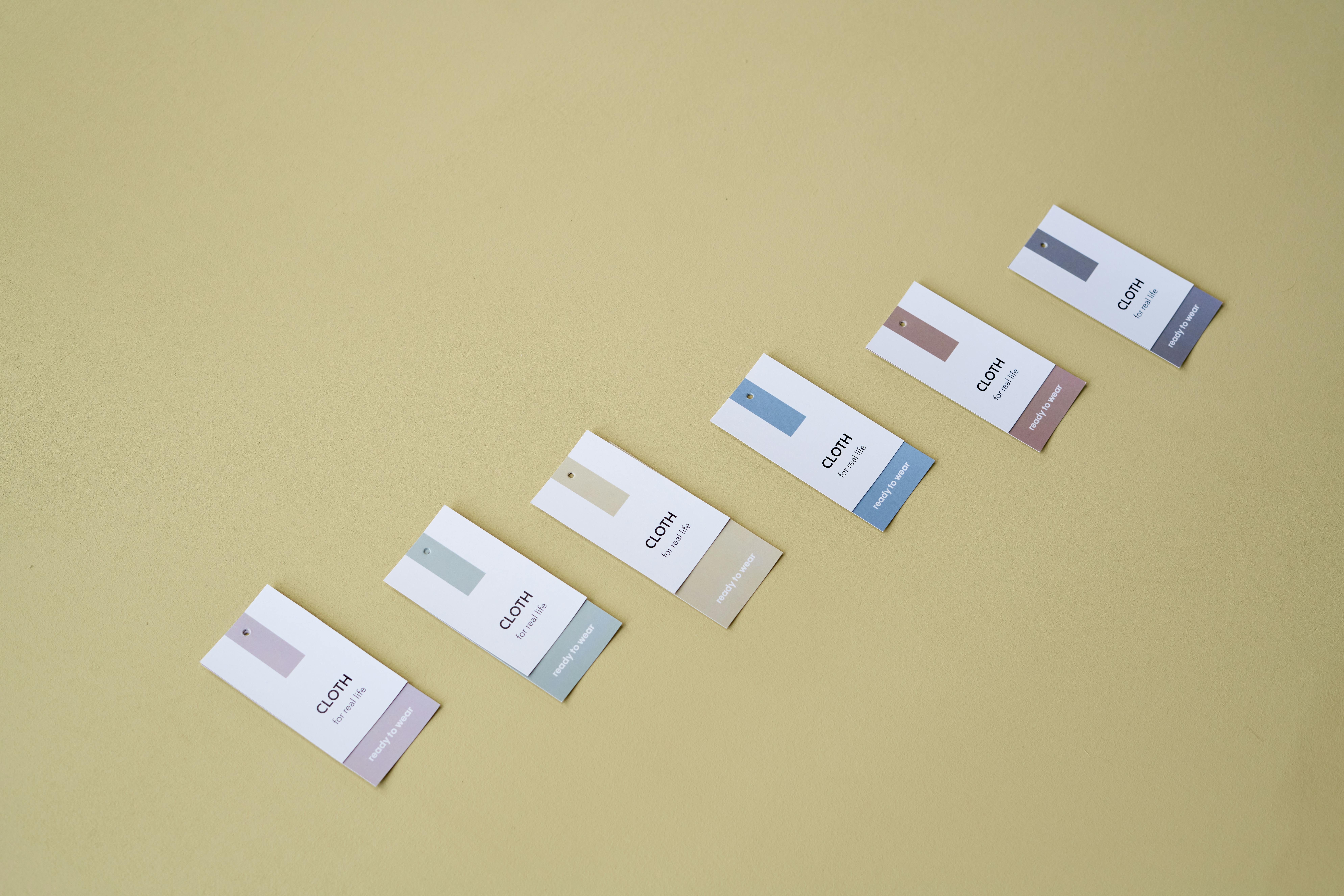
🌟 Embracing the Clear Choice
Transparent clothing labels represent a convergence of form and function that modern consumers demand. They eliminate long-standing frustrations while adding sophistication to garment design. Whether you prioritize comfort, aesthetics, sustainability, or all three, transparent labels deliver measurable benefits.
The revolution isn’t about rejecting tradition but rather embracing innovation that genuinely improves daily life. Every time you dress without adjusting a scratchy tag or worrying about labels showing through your clothing, you experience the practical magic of this simple yet transformative technology.
As more manufacturers adopt transparent labels and technology continues advancing, these labels will become increasingly standard across all clothing categories and price points. Early adopters enjoy the benefits now while helping drive industry-wide change toward better, more thoughtful garment design.
Your wardrobe is a personal expression of style, comfort, and values. Choosing garments with transparent labels aligns with contemporary aesthetics while providing tangible daily benefits. The future of fashion is clear—literally—and it’s never looked better or felt more comfortable. Make the switch to transparent labels and experience the difference that thoughtful design details can make in your everyday life.