The modern luxury landscape is undergoing a profound transformation. As conscious consumers increasingly demand transparency and responsibility, the definition of true elegance now extends far beyond aesthetics to embrace ethical sourcing and environmental stewardship.

This shift represents more than a passing trend—it signals a fundamental reimagining of what luxury means in the 21st century. Today’s discerning customers understand that genuine sophistication lies not only in craftsmanship and exclusivity but in the integrity of how products are made, who makes them, and the impact they leave on our planet.
🌿 The New Paradigm of Conscious Luxury
The traditional luxury industry has long operated on principles of exclusivity, heritage, and opulence. However, recent years have witnessed an awakening among affluent consumers who refuse to compromise their values for vanity. This demographic understands that true wealth includes the ability to make choices that positively impact communities and ecosystems.
Sustainable elegance merges the timeless appeal of luxury goods with ethical production methods. It recognizes that beauty should never come at the expense of human dignity or environmental degradation. This philosophy has given rise to brands that prioritize fair labor practices, renewable materials, and circular economy principles while maintaining the exceptional quality and design excellence expected of luxury products.
The numbers tell a compelling story. Research indicates that over 70% of luxury consumers now consider sustainability important when making purchasing decisions. Among millennials and Generation Z—the future of luxury consumption—this percentage climbs even higher, with many willing to pay premium prices for products aligned with their ethical standards.
Transparency: The Ultimate Luxury ✨
In an era of information abundance, opacity has become unacceptable. Consumers want to know the journey of their purchases from raw material to finished product. Ethical brands are responding by implementing radical transparency initiatives that reveal every step of their supply chains.
Blockchain technology has emerged as a powerful tool for authentication and traceability. Some luxury houses now offer digital passports for their products, allowing customers to verify the origin of materials, the artisans involved in production, and the environmental impact of each item. This level of disclosure transforms the shopping experience from a simple transaction into an educational journey.
Building Trust Through Openness
Transparency extends beyond technical tracking systems. Forward-thinking luxury brands publish detailed sustainability reports, invite customers to visit production facilities, and engage in honest conversations about the challenges they face in achieving their ethical goals. This vulnerability creates deeper connections with consumers who appreciate authenticity over perfection.
The relationship between brand and buyer evolves when transparency becomes central. Customers transition from passive consumers to active participants in a shared mission. They become brand ambassadors not because of clever marketing, but because they genuinely believe in the company’s values and practices.
🧵 Ethical Sourcing: From Farm to Fashion
The foundation of sustainable luxury begins with raw materials. Ethical sourcing ensures that every component of a product—whether organic cotton, conflict-free diamonds, or responsibly harvested leather—meets rigorous standards for environmental and social responsibility.
Consider the fashion industry, where ethical sourcing has become paramount. Luxury brands are increasingly partnering with certified organic farms, ensuring that textiles are grown without harmful pesticides that damage soil health and worker wellbeing. They establish long-term relationships with suppliers, often paying above-market rates to guarantee fair wages and safe working conditions.
The Jewelry Sector’s Transformation
Perhaps nowhere is ethical sourcing more critical than in fine jewelry. The industry has grappled with issues of conflict minerals, exploitative mining practices, and environmental devastation. Progressive jewelers now source only certified conflict-free diamonds, work with artisanal mining cooperatives that ensure fair pay, and increasingly utilize lab-grown gemstones that eliminate mining altogether.
Precious metals present similar challenges and opportunities. Ethical luxury brands seek out recycled gold and silver, reducing the need for new mining operations. Some have pioneered closed-loop systems where customers can return old jewelry for recycling into new pieces, creating a truly circular approach to luxury.
Craftsmanship Meets Consciousness 🎨
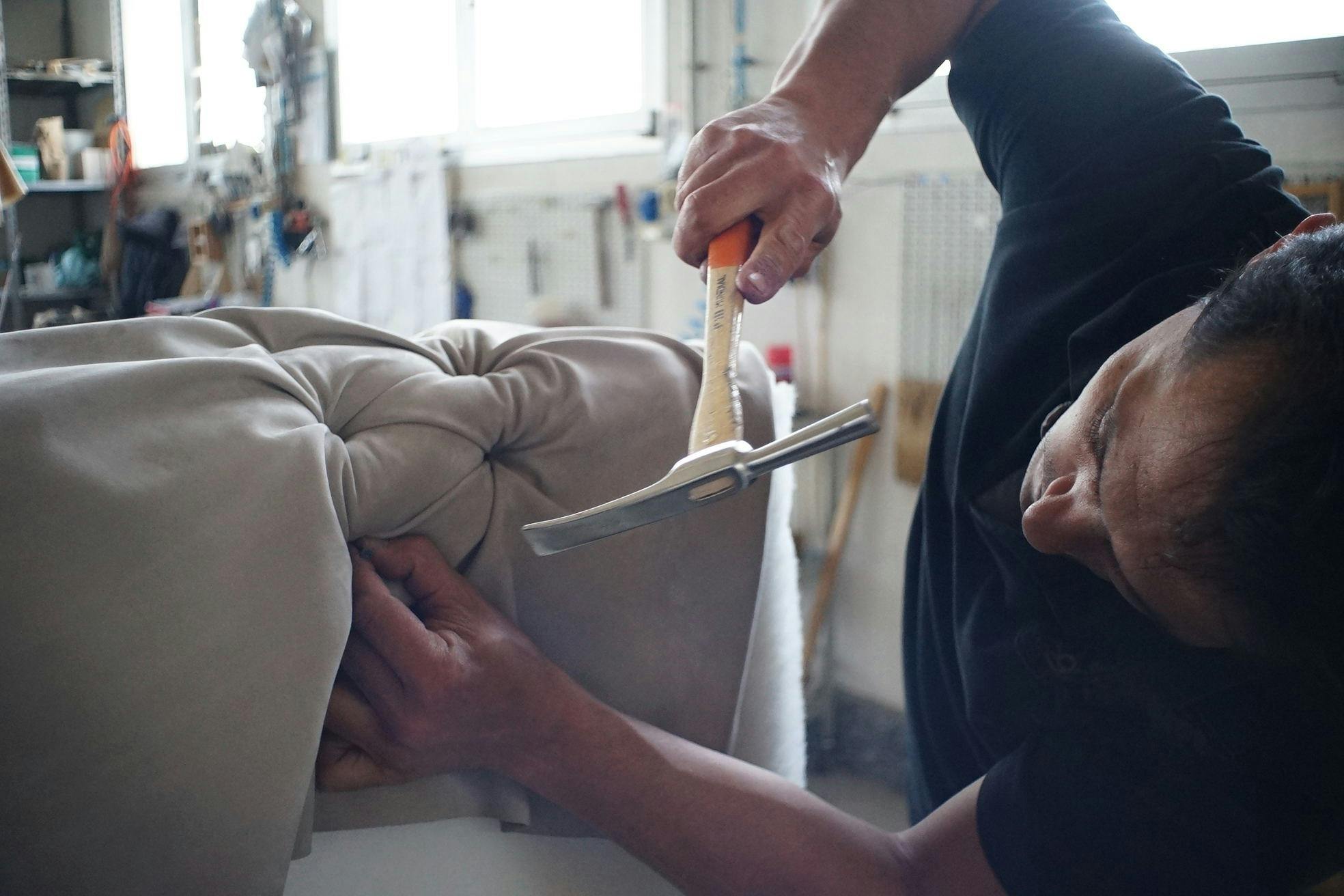
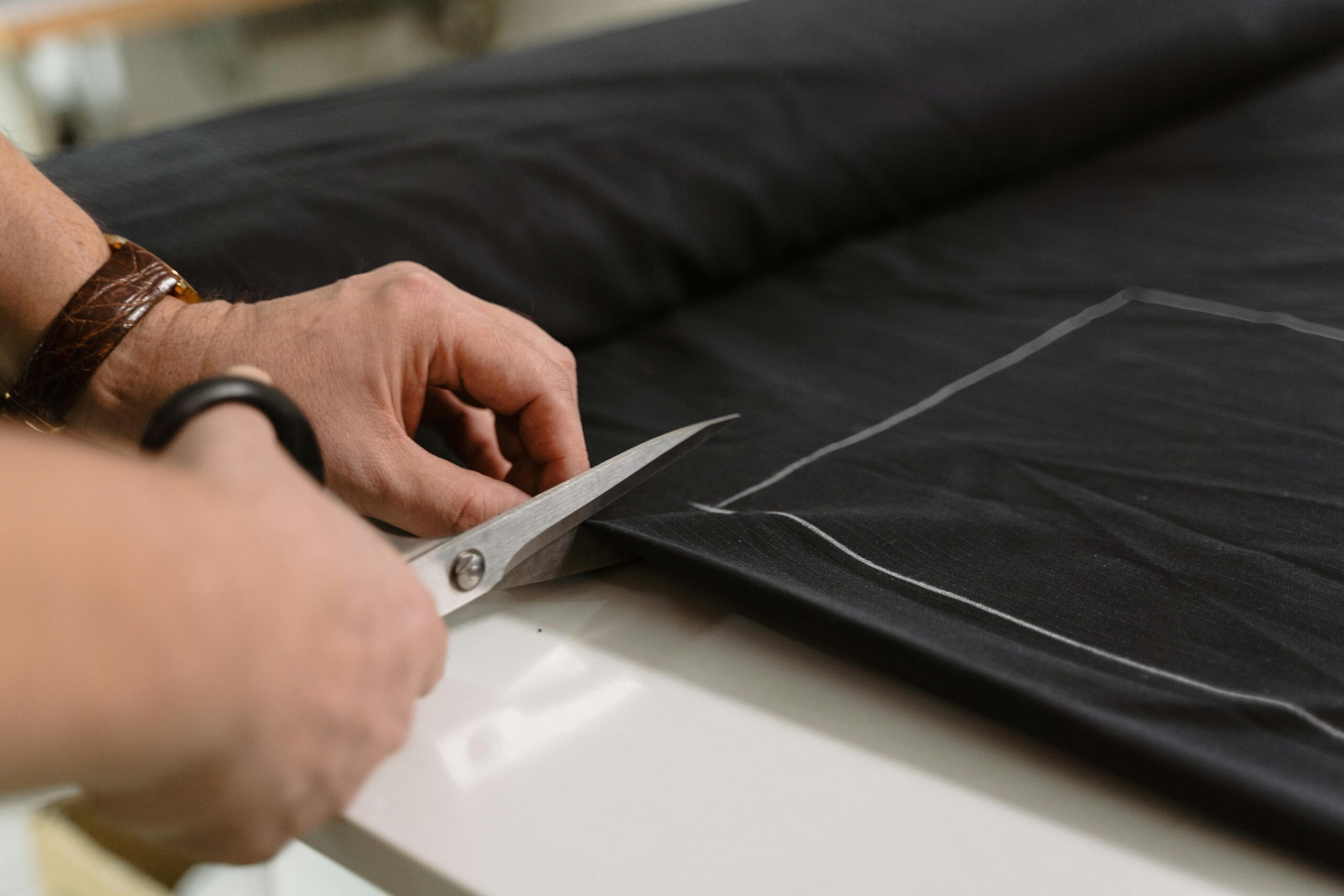
Sustainable luxury celebrates the human element in production. Rather than relegating manufacturing to faceless factories, ethical brands highlight the artisans whose skill and dedication bring products to life. This approach honors traditional craftsmanship while ensuring makers receive fair compensation and work in dignified conditions.
Artisan partnerships create economic opportunities in communities where luxury production occurs. By paying living wages and providing stable employment, ethical brands contribute to local prosperity. Many go further, investing in education programs, healthcare initiatives, and community development projects that create lasting positive impact.
Preserving Heritage Skills
The emphasis on artisanal production helps preserve endangered craft traditions. From hand-weaving techniques passed down through generations to intricate embroidery methods unique to specific regions, sustainable luxury becomes a vehicle for cultural preservation. Consumers receive products with genuine stories and soul, while communities maintain their cultural identity and economic viability.
This human-centered approach stands in stark contrast to fast fashion’s race-to-the-bottom pricing strategy. Sustainable luxury acknowledges that quality takes time, skill deserves compensation, and true value cannot be measured in quarterly earnings alone.
🌍 Environmental Stewardship as Standard Practice
Ecological responsibility has moved from optional corporate social responsibility initiative to non-negotiable business practice. Leading luxury brands recognize that their long-term viability depends on planetary health. They implement comprehensive environmental strategies addressing carbon emissions, water usage, waste reduction, and biodiversity protection.
Many luxury houses have committed to carbon neutrality or carbon negativity, investing in renewable energy for operations, optimizing transportation logistics, and supporting verified offset projects. Some go beyond neutrality to regenerative practices that actively restore ecosystems damaged by previous industrial activity.
Innovative Materials Science
The quest for sustainability drives remarkable innovation in materials. Luxury brands partner with biotechnology companies to develop next-generation fabrics from sources like mushroom mycelium, pineapple leaves, and laboratory-cultured silk. These alternatives deliver the aesthetic and performance qualities of traditional luxury materials without the environmental toll.
Leather alternatives exemplify this innovation. Companies now produce leather-like materials from grape waste, apple peels, and cactus that rival traditional leather in durability and appearance. Meanwhile, those continuing to use animal leather ensure it comes from food industry byproducts, processed using vegetable tanning methods rather than toxic chromium.
The Business Case for Ethical Luxury 💼
Skeptics once questioned whether sustainability and profitability could coexist. The market has definitively answered: ethical luxury is not only viable but increasingly advantageous. Brands embracing sustainable practices report stronger customer loyalty, enhanced brand reputation, and often superior financial performance compared to conventional competitors.
The economics make sense when examined closely. While ethical production may involve higher upfront costs, it reduces risks associated with reputational damage, supply chain disruptions, and regulatory penalties. Companies investing in sustainability position themselves favorably as governments worldwide implement stricter environmental and social governance requirements.
Attracting Investment and Talent
Beyond customer appeal, ethical practices attract investment capital and human talent. ESG (Environmental, Social, and Governance) investing has exploded in recent years, with trillions of dollars flowing toward companies demonstrating responsible practices. Luxury brands with strong sustainability credentials access this capital more easily and at better terms.
Similarly, top talent—particularly younger professionals—prioritize working for companies aligned with their values. Ethical luxury brands find recruitment easier and experience lower turnover, reducing costs while building stronger organizational cultures.
🛍️ The Consumer’s Role in Driving Change
While brands bear responsibility for implementing ethical practices, consumers wield enormous power through their purchasing decisions. Every transaction represents a vote for the kind of world we want to inhabit. Choosing sustainable luxury over conventional alternatives sends market signals that accelerate industry transformation.
Educated consumers research brands before purchasing, asking questions about sourcing, production methods, and corporate values. They read sustainability reports, seek third-party certifications, and share information within their networks. This informed engagement pushes even resistant brands toward greater responsibility.
Beyond Individual Purchases
Consumer activism extends beyond shopping. Many engage directly with brands through social media, demanding accountability and celebrating progress. They support legislation promoting corporate transparency and environmental protection. Some invest in sustainable luxury brands, using financial markets to reinforce their values.
The sharing economy also plays a role, with luxury rental platforms and resale markets extending product lifecycles. These models challenge the notion that luxury requires constant acquisition, instead promoting mindful consumption where quality and longevity trump quantity.
Challenges on the Path to Sustainable Elegance 🚧
The transition to fully ethical luxury faces significant obstacles. Supply chain complexity makes comprehensive transparency difficult, particularly for brands sourcing materials and manufacturing across multiple countries. Greenwashing—making misleading environmental claims—remains prevalent, confusing consumers and undermining legitimate efforts.
Cost pressures persist. Small and emerging brands often struggle to compete with established luxury houses that possess resources for sustainability investments. The infrastructure for sustainable materials and ethical production remains underdeveloped in many regions, limiting options for well-intentioned brands.
Balancing Heritage and Innovation
Traditional luxury brands face unique challenges reconciling their heritage with sustainable innovation. Some production methods central to brand identity may conflict with environmental goals. Navigating this tension requires creativity and courage—honoring tradition while embracing necessary evolution.
Industry collaboration helps address these challenges. Competitors share best practices, develop common standards, and jointly invest in sustainable infrastructure. This cooperative approach accelerates progress beyond what individual brands could achieve alone.
🔮 The Future of Conscious Luxury
The trajectory is clear: ethical sourcing and sustainable practices will continue transitioning from differentiators to prerequisites. Future luxury consumers will simply expect responsibility as baseline, focusing their choices on brands that go beyond compliance to lead in innovation and impact.
Technology will play an expanding role, with artificial intelligence optimizing supply chains for sustainability, virtual reality enabling transparent factory tours, and advanced materials science producing ever-more-impressive sustainable alternatives to conventional luxury materials.
Systemic Transformation
The most exciting developments may occur at industry-wide levels. We’re witnessing the emergence of new business models—from product-as-service subscriptions to radical circular systems where waste becomes impossible. These innovations could fundamentally reshape how we conceive of ownership, luxury, and value.
Regulatory frameworks will likely strengthen, mandating disclosure and penalizing irresponsible practices. Rather than resisting, forward-thinking luxury brands welcome such regulation, recognizing it levels the playing field and prevents bad actors from undercutting ethical competitors.

Redefining Aspiration: A New Luxury Identity 🌟
Perhaps the most profound shift involves how we conceptualize luxury itself. The aspirational ideal is evolving from conspicuous consumption toward conscious curation. Status increasingly derives not from displaying wealth but from demonstrating wisdom—making choices that reflect both personal taste and global citizenship.
This redefinition liberates luxury from its historical associations with excess and exclusion. Sustainable elegance becomes inclusive, inviting participation from anyone committed to quality, integrity, and impact. It recognizes that true sophistication involves considering consequences beyond immediate gratification.
The journey toward ethical luxury is ongoing, imperfect, and essential. It requires commitment from brands, engagement from consumers, innovation from entrepreneurs, and support from policymakers. But the destination—a luxury industry that enriches lives without impoverishing communities or degrading environments—is worth every effort.
As conscious consumers, we possess unprecedented power to shape this future. Each purchase decision, each conversation, each moment of advocacy contributes to the transformation. By demanding transparency, supporting ethical brands, and redefining what we consider truly valuable, we collectively elevate not only our conscience but the entire luxury landscape.
The new luxury honors both people and planet. It celebrates beauty created with integrity, quality built on justice, and elegance expressed through responsibility. This is luxury worthy of aspiration—sophistication that satisfies not only our aesthetic desires but our deepest values. In choosing this path, we don’t diminish luxury; we finally fulfill its promise.