The luxury packaging industry is experiencing a profound transformation as brands embrace sustainability without compromising sophistication. This shift represents more than a trend—it’s a fundamental reimagining of what true luxury means in our environmentally conscious era.

Today’s discerning consumers demand packaging that reflects their values while delivering the premium unboxing experience they expect. The intersection of ecological responsibility and high-end design has created a new standard where environmental stewardship enhances rather than diminishes luxury appeal.
🌿 The Evolution of Luxury Packaging Standards
The traditional luxury packaging paradigm relied heavily on materials that showcased opulence through excess—thick plastics, metallic finishes, and multi-layered presentations. However, modern luxury consumers have redefined sophistication to include environmental consciousness as a core component of premium brand identity.
This evolution reflects a broader cultural shift where sustainability has become synonymous with intelligence, foresight, and genuine care for future generations. Brands that fail to adapt risk appearing out of touch with contemporary values, while those embracing eco-friendly elegance position themselves as industry leaders.
The most successful luxury brands now recognize that sustainable packaging isn’t a limitation but an opportunity for innovation. This mindset has sparked creativity in material selection, structural design, and aesthetic presentation that rivals or exceeds traditional approaches.
Material Innovation: The Foundation of Sustainable Luxury ✨
The revolution in eco-friendly luxury packaging begins with material science. Designers and manufacturers are discovering innovative alternatives that deliver visual impact while minimizing environmental footprint.
Plant-Based and Biodegradable Options
Mushroom leather, hemp fiber composites, and algae-based plastics represent the cutting edge of sustainable luxury materials. These alternatives offer unique textures and appearances that traditional materials cannot replicate, providing authentic luxury through innovation rather than imitation.
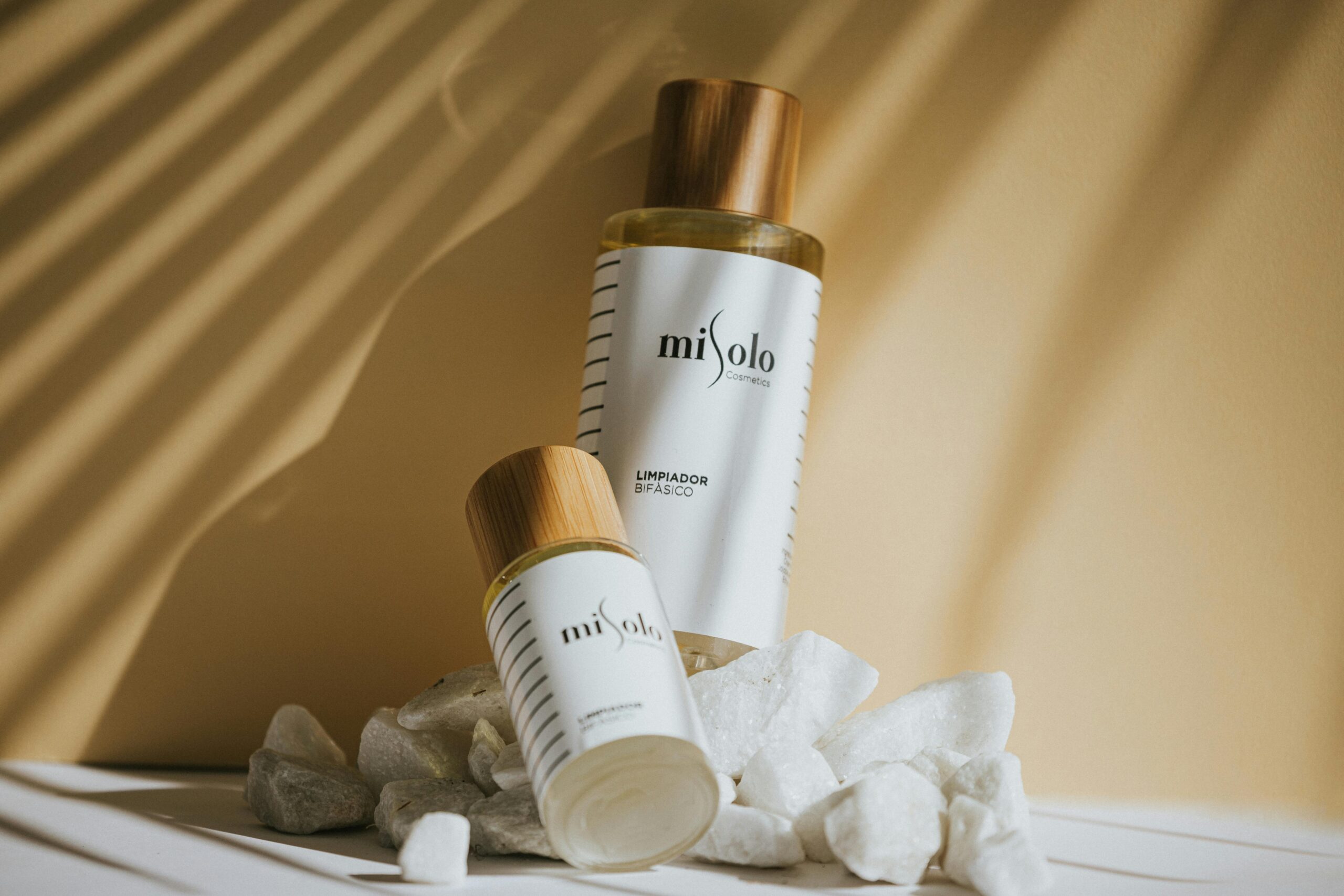
Bamboo and cork have emerged as particularly versatile options, offering natural elegance with rapid renewability. Their inherent aesthetic qualities—subtle grain patterns, warm tones, and tactile appeal—create immediate premium perception without requiring extensive processing or finishing.
Seed-embedded papers and plantable packaging take sustainability to the next level, transforming waste into new life. Luxury brands incorporating these materials tell a compelling story that extends beyond the initial purchase, creating lasting emotional connections with consumers.
Recycled Materials with Premium Finish
Advanced processing techniques now allow recycled materials to achieve finishes previously possible only with virgin resources. Ocean plastics transformed into sleek rigid boxes, recycled glass with flawless clarity, and reclaimed wood with distinctive character demonstrate that sustainability and sophistication coexist beautifully.
The visible presence of recycled content has itself become a luxury statement. Rather than hiding sustainable origins, premium brands now highlight them through transparent panels, deliberate texture variation, and storytelling that celebrates the material’s journey.
Design Philosophy: Minimalism Meets Meaning 🎨
Sustainable luxury packaging embraces the principle that less can indeed be more when executed with intention and artistry. This approach challenges designers to communicate brand values through refined simplicity rather than elaborate excess.
The Japanese concept of “ma”—the beauty of negative space—influences contemporary luxury packaging design. By removing unnecessary elements, brands create breathing room that allows essential features to shine while reducing material consumption.
Structural Elegance Through Efficiency
Innovative folding techniques eliminate the need for adhesives, creating packaging that assembles elegantly while remaining fully recyclable. Origami-inspired structures demonstrate engineering sophistication that impresses consumers while serving practical sustainability goals.
Modular designs that adapt to multiple product sizes reduce inventory complexity and waste. This intelligent approach to packaging architecture represents luxury thinking—solving problems elegantly while creating versatile, beautiful solutions.
Color and Texture Storytelling
Natural dyes derived from plants, minerals, and food waste create unique color palettes that connect products to their sustainable origins. These organic hues possess depth and variation that synthetic alternatives lack, offering authentic luxury through imperfection.
Textured surfaces created through embossing, debossing, and natural material characteristics provide tactile luxury without additional material layers. The sensory experience of touching these surfaces communicates quality and care in ways that smooth, coated materials cannot.
The Unboxing Experience: Creating Memorable Moments 📦
Sustainable luxury packaging elevates the unboxing ritual into a multisensory journey that honors both product and planet. This experience begins before the package opens, with weight, texture, and visual presentation signaling thoughtful quality.
The psychology of luxury packaging relies on building anticipation through layered reveals. Eco-friendly approaches maintain this journey while eliminating wasteful elements, focusing attention on meaningful components that enhance rather than distract.
Functional Beauty in Every Element
Every component serves dual purposes in sustainable luxury packaging—aesthetic appeal combined with practical function. Protective inserts double as display stands, outer boxes transform into storage solutions, and wrapping materials become reusable fabric accessories.
This approach extends product value beyond initial purchase, creating ongoing utility that justifies premium packaging investment. Consumers retain and reuse these elements, keeping brand presence in daily life while reducing waste.
Scent and Sound in Sustainable Design
Natural materials introduce subtle aromatic dimensions to packaging—cedarwood boxes, lavender-infused papers, and coconut fiber cushioning create olfactory signatures without synthetic fragrances. These organic scents enhance luxury perception while maintaining environmental integrity.
The acoustic qualities of opening sustainable packaging—the soft rustle of tissue paper, the satisfying snap of bamboo closures—contribute to memorable experiences. These subtle details demonstrate attention to comprehensive sensory design.
Brand Storytelling Through Sustainable Choices 💚
Eco-friendly luxury packaging provides authentic narratives that resonate with conscious consumers. The materials, processes, and design decisions become story elements that communicate brand values more effectively than marketing claims.
Transparency in sourcing and production methods builds trust and justifies premium pricing. Consumers increasingly expect detailed information about packaging origins, certifications, and end-of-life options—information that becomes part of the luxury experience rather than fine print.
Craftsmanship and Artisan Collaboration
Partnerships with traditional craftspeople and sustainable material producers add human dimension to luxury packaging stories. Hand-finished elements, small-batch production, and fair-trade relationships demonstrate commitment to people alongside planet.
These collaborations often yield unique aesthetic results impossible through mass production. Slight variations in handcrafted components become markers of authenticity rather than quality inconsistencies, appealing to consumers seeking genuine luxury.
Technology Integration in Eco-Luxury Packaging 🔬
Advanced technologies enable sustainable luxury packaging that seemed impossible just years ago. Digital printing reduces waste while allowing customization, smart materials respond to environmental conditions, and blockchain verification ensures authenticity and sustainability claims.
Digital Enhancement Without Physical Waste
QR codes and NFC chips embedded in sustainable packaging bridge physical and digital experiences. Consumers access product stories, care instructions, and virtual try-on features without requiring additional printed materials, reducing bulk while expanding information.
Augmented reality applications transform simple packaging into interactive experiences. Pointing smartphones at eco-friendly boxes reveals brand histories, sustainability journeys, or artistic collaborations—adding layers of engagement without physical layers of materials.
Smart Materials for Enhanced Functionality
Temperature-sensitive inks made from natural compounds indicate product freshness without electronic components. Moisture-responsive papers change appearance when exposure threatens contents, providing practical protection through material intelligence rather than additional packaging layers.
These innovations demonstrate that sustainability and sophistication enhance each other when approached with creativity and commitment to excellence.
Economic Advantages of Sustainable Luxury Packaging 💰
While initial investment in eco-friendly luxury packaging may exceed conventional alternatives, long-term economic benefits increasingly favor sustainable approaches. Brand loyalty, premium pricing support, and operational efficiencies create compelling business cases.
Consumers demonstrate willingness to pay premiums for verifiable sustainability, with studies showing 15-25% price tolerance for eco-friendly luxury goods. This advantage grows as environmental awareness deepens across demographic segments.
Reduced Logistics and Storage Costs
Efficient sustainable packaging designs often weigh less and pack more densely than traditional luxury alternatives. These characteristics reduce shipping costs, lower carbon footprints, and optimize warehouse utilization—savings that can offset material investments.
Standardization through modular sustainable designs reduces inventory complexity. Brands maintain fewer packaging variations while serving diverse product lines, simplifying supply chains and reducing capital tied in packaging inventory.
Regulatory Compliance and Future-Proofing 🌍
Government regulations increasingly mandate sustainable packaging practices, with luxury goods no longer exempt from environmental legislation. Forward-thinking brands gain competitive advantages by exceeding requirements rather than merely meeting minimum standards.
European Union directives, California regulations, and Asian sustainability initiatives establish frameworks that will likely expand globally. Investment in eco-friendly luxury packaging today prevents costly redesigns tomorrow while positioning brands as industry leaders.
Certification and Verification Systems
Third-party certifications—FSC, Cradle to Cradle, Carbon Neutral—provide credible validation of sustainability claims. These certifications become marketing assets that justify premium positioning while protecting against greenwashing accusations.
Transparent supply chain documentation increasingly expected by luxury consumers and required by regulations becomes standard practice. Brands embracing this transparency build trust that translates to customer loyalty and positive brand perception.
Implementation Strategies for Luxury Brands 🎯
Transitioning to sustainable luxury packaging requires strategic planning that balances environmental goals with brand identity maintenance. Successful implementation follows phased approaches that manage costs while building consumer acceptance.
Pilot Programs and Limited Editions
Testing eco-friendly packaging through special collections allows brands to gauge consumer response while refining approaches. Limited edition sustainable packaging generates excitement and positions environmental consciousness as exclusive rather than obligatory.
Customer feedback from pilot programs informs full-scale implementations, identifying preferences and concerns before major investments. This iterative approach reduces risk while building stakeholder confidence in sustainable transitions.
Supplier Partnerships and Innovation Investment
Collaborating closely with packaging suppliers fosters innovation tailored to specific brand needs. Long-term partnerships incentivize suppliers to develop custom sustainable solutions that competitors cannot easily replicate, creating proprietary advantages.
Joint investment in research and development accelerates material innovation while spreading financial risk. These partnerships often yield breakthroughs that benefit entire industries while providing first-mover advantages to investing brands.
Consumer Education and Engagement 📚
Even exceptional sustainable luxury packaging requires consumer education for full appreciation. Brands must communicate environmental benefits, proper disposal methods, and creative reuse possibilities to maximize packaging value.
Storytelling that highlights sustainability journey—from material sourcing through end-of-life options—transforms packaging into educational tools. This narrative approach engages consumers emotionally while informing them practically.
Social Media and Community Building
Showcasing sustainable packaging through social media creates organic marketing opportunities. User-generated content featuring eco-friendly unboxing experiences amplifies brand messages while building communities around shared values.
Challenges encouraging creative packaging reuse generate engagement while extending brand presence. Consumers share innovative applications for sustainable packaging components, inspiring others while demonstrating thoughtful design.
The Future Landscape of Luxury Packaging 🚀
Emerging technologies and evolving consumer expectations will continue reshaping luxury packaging toward greater sustainability. Brands investing now in eco-friendly elegance position themselves advantageously for markets increasingly demanding environmental responsibility alongside premium quality.
Biodegradable electronics, living materials that grow and decompose naturally, and closed-loop systems where packaging never becomes waste represent the next frontier. These innovations will redefine luxury as intelligence, foresight, and genuine care for global wellbeing.
The integration of circular economy principles into luxury packaging design will become standard practice. Products designed from inception for disassembly, material recovery, and regeneration will represent true luxury—beautiful, functional, and eternally resourceful.
Embracing Transformation with Purpose ⭐
The redefinition of luxury packaging through sustainable style and sophistication represents opportunity rather than compromise. Brands embracing this transformation discover that environmental consciousness enhances rather than limits creative expression.
Consumer demand for eco-friendly elegance will only intensify as climate awareness grows and younger generations gain purchasing power. Luxury brands have unique opportunities to lead this transformation, proving that style, sustainability, and commercial success coexist beautifully.
The journey toward sustainable luxury packaging requires commitment, creativity, and willingness to challenge conventional assumptions about materials, design, and value. Those embracing this challenge will define the future of luxury while contributing meaningfully to environmental preservation.
Ultimately, eco-friendly elegance represents luxury at its finest—thoughtful, innovative, and conscious of impact beyond immediate aesthetic pleasure. This approach honors both product and planet, creating experiences that satisfy today while protecting tomorrow.