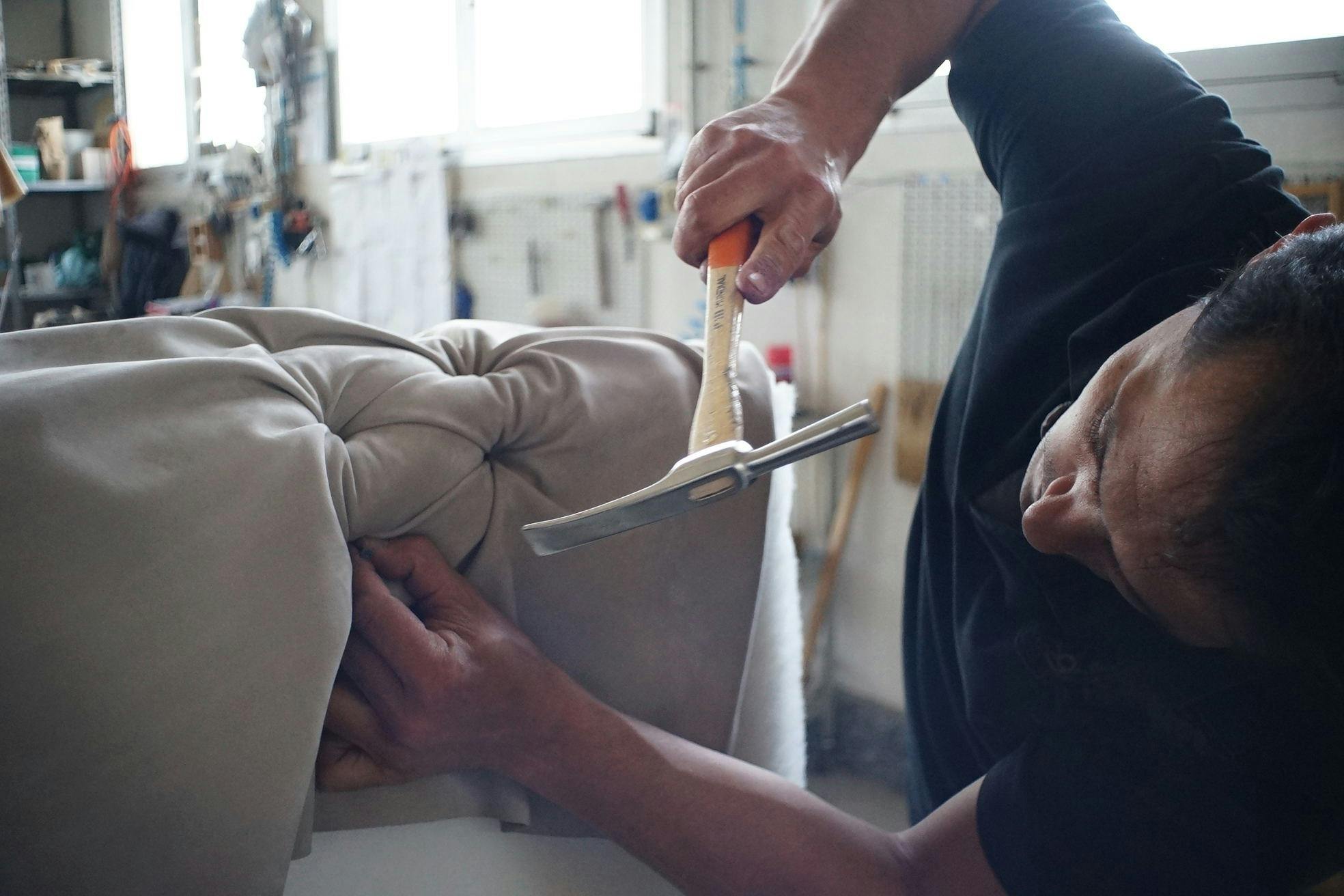
In a world dominated by mass production and fleeting trends, there exists a sanctuary where artisans pour their souls into every creation. Small-batch luxury craftsmanship represents more than mere objects—it embodies a philosophy of intentional living, where every detail matters and excellence is non-negotiable.

The renaissance of handcrafted luxury goods signals a cultural shift toward meaningful consumption. Today’s discerning consumers understand that true elegance transcends price tags and brand names. They seek pieces with provenance, character, and the unmistakable mark of human touch—qualities that mass-produced items simply cannot replicate.
The Soul Behind Small-Batch Creation ✨
Small-batch craftsmanship operates on principles fundamentally opposed to industrial manufacturing. Where factories prioritize volume and efficiency, artisan workshops celebrate the deliberate pace of thoughtful creation. Each piece receives individual attention, from material selection to final finishing touches, ensuring that no two items are precisely identical.
This approach allows makers to maintain unwavering quality standards that would be impossible in large-scale production. Artisans can experiment with premium materials, test innovative techniques, and refuse to compromise when a piece doesn’t meet their exacting standards. The result is a product that carries the maker’s reputation with every stitch, brushstroke, or chisel mark.
The limited quantity inherent in small-batch production creates natural exclusivity without artificial scarcity. When a craftsperson can only produce twenty leather bags per month due to the meticulous hand-stitching process, each bag becomes inherently special. Owners don’t just purchase an accessory—they acquire a piece of the artisan’s limited creative output.
Materials That Tell Stories 📖
Premium small-batch creators obsess over material sourcing in ways that mass manufacturers never could. They forge relationships with suppliers who share their values, seeking out ethically harvested woods, vegetable-tanned leathers, naturally dyed textiles, and metals mined under fair labor conditions.
These materials possess qualities that synthetic alternatives cannot match. Full-grain leather develops a unique patina over years of use, becoming more beautiful with age. Hand-forged metals retain subtle texture variations that reflect the blacksmith’s hammer strikes. Natural fibers breathe, age gracefully, and connect the wearer to centuries of textile tradition.
The provenance of materials adds layers of meaning to finished pieces. A wooden desk crafted from reclaimed barn timber carries the history of its previous life. A scarf woven from wool sourced from a family-run farm in Scotland connects the wearer to specific landscapes and traditions. These narratives transform objects into conversation pieces and family heirlooms.
Sustainability Through Quality
Small-batch luxury craftsmanship inherently aligns with sustainable consumption principles. By creating products designed to last decades rather than seasons, artisans combat the throwaway culture that dominates modern retail. A well-made leather belt might outlive its owner, passing to the next generation rather than a landfill.
This durability represents true environmental stewardship. The carbon footprint of a handcrafted chair used for fifty years is vastly smaller than five cheap replacements manufactured overseas and shipped globally. Quality craftsmanship reduces waste, conserves resources, and challenges the planned obsolescence built into most consumer goods.
The Human Connection in Every Detail 🤝
When you purchase from a small-batch artisan, you’re not conducting an anonymous transaction with a faceless corporation. You’re supporting an individual or small team who likely sources materials locally, employs traditional techniques passed through generations, and takes pride in every piece bearing their name.
Many artisan creators welcome direct communication with clients. They’ll discuss customization options, explain their process, or share the inspiration behind particular designs. This accessibility creates meaningful connections between maker and user that enhance the ownership experience. Your briefcase isn’t just a product—it’s connected to the person who cut, stitched, and finished it by hand.
This relationship transforms consumption into patronage. Like Renaissance families commissioning artists, modern consumers supporting small-batch creators become patrons of living craft traditions. Your purchase enables artisans to continue refining their skills, training apprentices, and preserving techniques that might otherwise disappear.
Investment Pieces That Appreciate 💎
While small-batch luxury items command higher initial prices than mass-produced alternatives, they often represent superior long-term value. A handcrafted watch from a limited production run may appreciate over time, particularly if the maker gains recognition. Even pieces that don’t increase monetarily retain functionality and beauty far longer than their industrial counterparts.
Consider the true cost per use of quality craftsmanship. A $500 handmade leather bag used daily for twenty years costs just $25 annually. Compare this to purchasing five $100 bags that deteriorate within four years each—the same timeframe costs $500 with significantly inferior quality throughout.
Beyond financial calculations, these pieces offer intangible returns. The daily pleasure of using a beautifully crafted object, the confidence of owning something truly special, and the knowledge that your purchase supports meaningful work—these benefits resist quantification but profoundly impact quality of life.
Recognizing True Craftsmanship
Not everything marketed as “artisan” or “handcrafted” meets genuine small-batch standards. Discerning buyers should investigate before investing. Look for makers who transparently share their process through studio photos, technique explanations, and material sourcing information. Authentic craftspeople take pride in educating customers about what makes their work special.
Examine construction details that reveal handwork. Stitching should be even but with subtle irregularities impossible for machines to replicate. Edges on leather goods should show hand-burnishing. Wooden furniture should display thoughtful joinery rather than relying solely on hardware. These details separate genuine craftsmanship from mass-produced items with artisan marketing.
Categories Worth Exploring 🔍
Small-batch luxury craftsmanship spans countless categories, each offering opportunities to elevate different aspects of your lifestyle. Understanding where artisan quality makes the most meaningful impact helps prioritize investments in your journey toward more intentional consumption.
Personal Accessories and Leather Goods
Wallets, belts, bags, and watchbands represent ideal entry points into small-batch craftsmanship. These items experience daily use, allowing you to appreciate quality materials and construction consistently. Premium leather goods develop character over time, making them uniquely yours through the patina of use.
Handcrafted accessories also offer relatively accessible price points compared to furniture or jewelry, making them perfect for those beginning to explore artisan goods. A well-made wallet might cost three times more than a department store version but deliver ten times the lifespan and satisfaction.
Home Furnishings and Decor
Furniture from skilled woodworkers transforms houses into homes. A dining table crafted from solid hardwood using traditional joinery becomes the gathering place for decades of family meals, celebrations, and conversations. Unlike particle board alternatives that weaken within years, heirloom-quality furniture appreciates in both durability and sentimental value.
Handwoven textiles, ceramic dinnerware, and blown glass lighting fixtures add warmth and personality that mass-produced home goods cannot match. These pieces reflect the maker’s aesthetic vision while serving practical functions, dissolving the false boundary between art and utility.
Jewelry and Timepieces
Small-batch jewelers create pieces that tell stories beyond their precious metal and stone content. Custom designs incorporate personal symbolism, commemorate significant events, or reinterpret traditional motifs with contemporary sensibility. These aren’t commodities to be sold when trends shift—they’re wearable memories designed to pass through generations.
Independent watchmakers represent the pinnacle of small-batch mechanical craftsmanship. While prestigious Swiss brands mass-produce thousands of “luxury” watches annually, true artisan horologists might complete just a dozen timepieces per year, with every component finished to extraordinary standards. These watches function as mechanical art that happens to tell time.
Clothing and Footwear
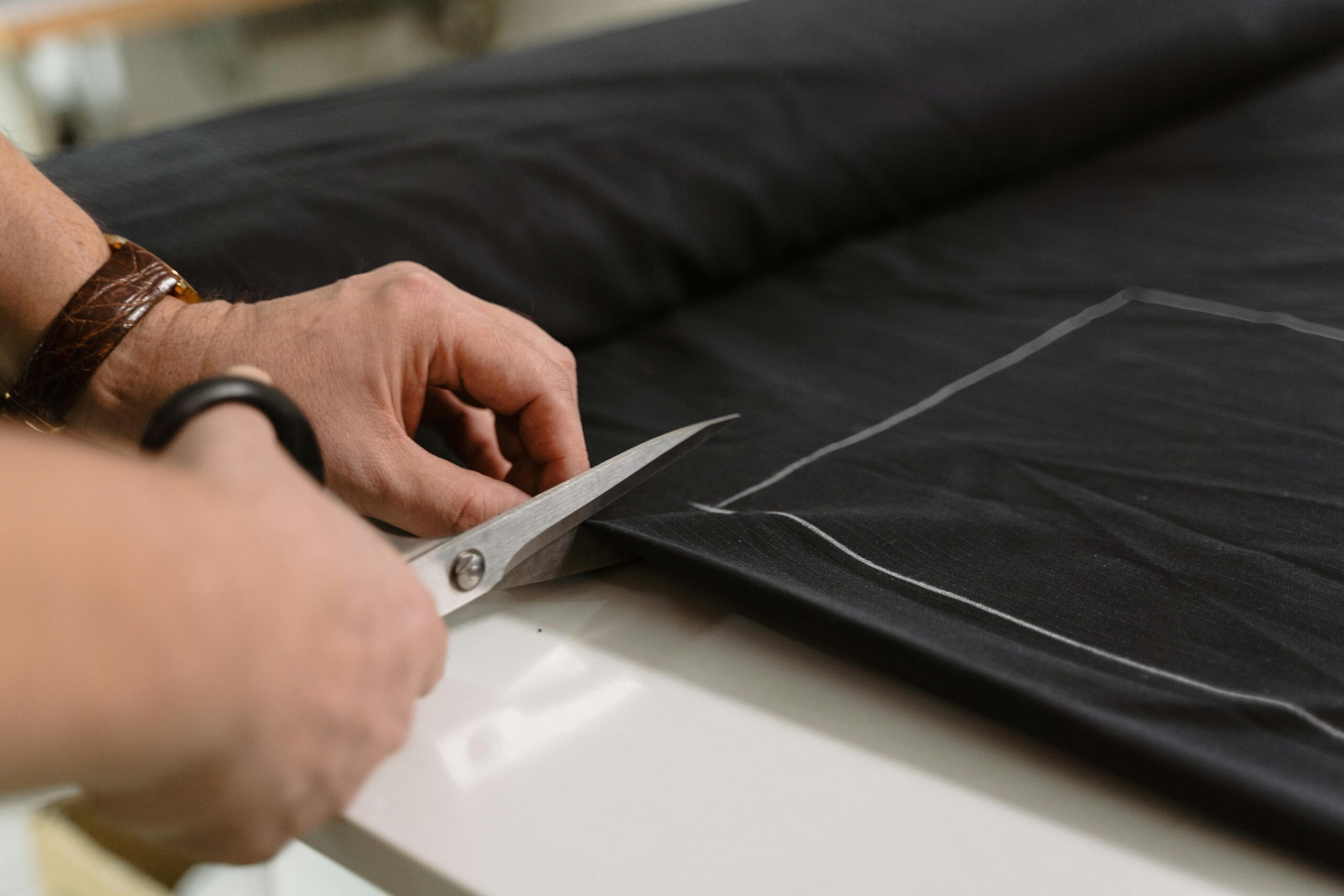
Bespoke tailoring and handmade shoes offer fit, comfort, and durability impossible from ready-to-wear options. A suit constructed specifically for your body moves naturally, flatters your proportions, and accommodates alterations as your body changes over decades. Bench-made shoes mold to your feet, providing support that protects joint health while looking impeccable.
Small-batch fashion designers often work with limited runs of exceptional fabrics, creating garments that won’t appear on everyone else. Their careful construction ensures longevity, challenging the fast-fashion model that treats clothing as disposable.
Incorporating Artisan Pieces Into Your Life 🏡
Transitioning toward small-batch luxury doesn’t require wholesale lifestyle changes or unlimited budgets. Strategic, intentional acquisitions allow you to gradually surround yourself with quality craftsmanship while respecting financial realities.
Start by identifying items you use daily or that significantly impact your environment. Replacing a worn wallet with a handcrafted version delivers more satisfaction than purchasing decorative objects that sit unused. Prioritize pieces that align with your values and lifestyle rather than buying artisan goods simply for status.
Consider timing purchases around replacing worn items rather than accumulating unnecessarily. When your mass-produced coffee table finally fails, invest in a handcrafted replacement designed to last generations. This approach maintains your budget while steadily improving your possessions’ quality.
Building Relationships With Makers
Seek out local artisans through craft fairs, studio tours, and maker spaces. Meeting creators in person allows you to understand their process, see works in progress, and potentially commission custom pieces. These relationships enrich the ownership experience and strengthen your local creative economy.
Online platforms have democratized access to small-batch creators worldwide. Thoughtfully curated marketplaces connect discerning buyers with vetted artisans, though direct purchases through maker websites ensure they retain maximum profit from their work. Social media enables you to follow favorite craftspeople, watching their techniques evolve and securing early access to new collections.
The Timeless Elegance Philosophy ⏳
True elegance transcends fashion cycles and seasonal trends. Small-batch luxury embraces this timelessness through designs that honor traditional proportions, classic materials, and restrained ornamentation. These pieces look appropriate today, looked appropriate fifty years ago, and will remain elegant fifty years hence.
This doesn’t mean rejecting innovation or contemporary aesthetics. The finest artisan work balances timeless principles with fresh perspectives, creating pieces that feel both familiar and original. A modern ceramicist might use ancient Japanese techniques to create forms that feel thoroughly contemporary—timeless methods producing timeless beauty.
Surrounding yourself with timeless pieces cultivates personal style rather than slavish trend-following. You develop a curated environment reflecting your values and aesthetic preferences rather than whatever magazines currently promote. This authenticity represents the highest form of elegance—being genuinely yourself rather than performing someone else’s vision of sophistication.
Preserving Living Traditions 🎨
Every artisan purchase helps preserve traditional techniques threatened by industrialization. Blacksmiths, bookbinders, silversmiths, and countless other craftspeople maintain skills developed over centuries, representing irreplaceable cultural knowledge. When these artisans retire without successors, entire craft traditions can vanish within a generation.
Supporting small-batch creators enables them to train apprentices, documenting and passing forward their expertise. Your purchases fund not just individual livelihoods but the continuation of human heritage. That handwoven blanket you use connects you to textile traditions stretching back millennia—traditions that survive only through active patronage.
This preservation benefits society beyond romantic notions of tradition. Diverse making skills increase cultural resilience and economic options. Communities with thriving artisan sectors weather economic changes better than those dependent solely on standardized industries. Craftsmanship creates meaningful employment that machines cannot entirely replace.
Your Journey Toward Elevated Living 🌟
Embracing small-batch luxury craftsmanship represents more than acquiring nice things—it’s a philosophy of intentional living. This approach values quality over quantity, meaning over convenience, and lasting satisfaction over momentary gratification. Each thoughtfully chosen artisan piece becomes a daily reminder of your commitment to excellence.
The transformation happens gradually. As you replace mass-produced items with handcrafted alternatives, you begin noticing quality differences everywhere. You develop appreciation for subtle details, honest materials, and expert construction. This refined perspective enhances your enjoyment of beautiful objects while sharpening your resistance to marketing manipulation.
Your elevated lifestyle inspires others through example rather than preaching. When friends admire your handmade leather portfolio or marvel at your dining table’s craftsmanship, you share the maker’s story and connect them with small-batch alternatives to mass consumption. This quiet advocacy creates ripples that support artisan communities and challenge throwaway culture.
The path toward surrounding yourself with meaningful, beautifully crafted objects is deeply personal. Whether you begin with a single handmade mug or commission a complete home renovation featuring artisan furniture, you’re participating in an ancient human tradition—supporting makers who transform raw materials into objects of utility and beauty. In doing so, you don’t just elevate your lifestyle; you invest in preserving human creativity, skill, and the timeless elegance that emerges when quality truly meets craftsmanship.