
The global challenge of waste management demands urgent, transformative action. As our planet faces mounting environmental pressures, innovative supply chain models are emerging as powerful catalysts for sustainable change, offering hope for a cleaner, more responsible future.

Traditional linear supply chains—following the “take-make-dispose” paradigm—have contributed significantly to environmental degradation, resource depletion, and climate change. The transition toward circular economy principles and waste-reduction strategies represents not just an environmental imperative but also a tremendous economic opportunity for forward-thinking businesses and communities worldwide.
🌍 Understanding the Waste Crisis in Modern Supply Chains
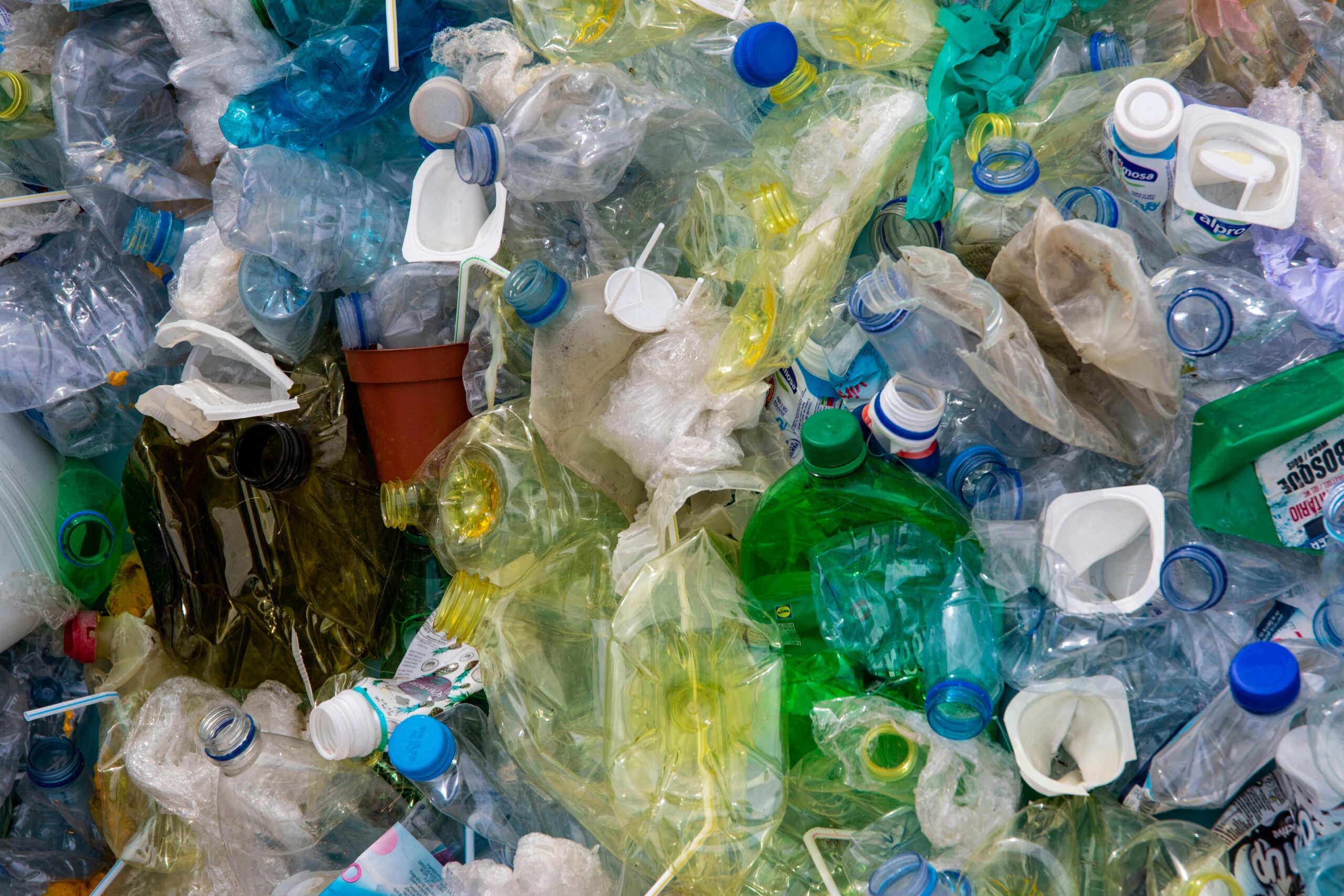
Global waste generation continues to escalate at an alarming rate, with the World Bank estimating that worldwide waste production will increase by 70% by 2050 if current trends persist. Supply chains account for a substantial portion of this waste, from manufacturing inefficiencies and packaging materials to product returns and end-of-life disposal challenges.
The environmental impact extends beyond visible landfills. Supply chain waste contributes to greenhouse gas emissions, water pollution, habitat destruction, and resource scarcity. Understanding these interconnected challenges is the first step toward implementing meaningful solutions that can revolutionize how businesses operate and interact with natural systems.
The Circular Economy Framework: Foundation for Sustainable Supply Models
Circular economy principles provide the theoretical and practical foundation for waste-reduction supply models. Unlike linear systems, circular approaches design out waste from the beginning, keeping materials and products in use for as long as possible, and regenerating natural systems when items reach their end of functional life.
Core Principles Driving Circular Supply Chains
The transition to circular supply models requires adherence to several fundamental principles that distinguish them from traditional approaches. These include designing for longevity and disassembly, maintaining product and material quality through successive use cycles, and creating reverse logistics systems that efficiently recover value from used products.
Successful circular supply chains prioritize renewable and recyclable inputs, minimize energy consumption throughout product lifecycles, and establish collaborative networks where one company’s waste becomes another’s valuable resource. This interconnected ecosystem approach multiplies environmental benefits while creating new revenue streams and competitive advantages.
🔄 Innovative Waste-Reduction Supply Chain Models
Product-as-a-Service (PaaS) Models
Product-as-a-Service represents a paradigm shift where customers pay for functionality and outcomes rather than ownership. This model incentivizes manufacturers to design durable, maintainable products since they retain ownership and responsibility throughout the product lifecycle. Companies like Philips Lighting and Rolls-Royce have successfully implemented PaaS models, dramatically reducing waste while maintaining profitability.
The environmental benefits are substantial: extended product lifespans, optimized maintenance schedules, efficient component recovery, and reduced raw material consumption. PaaS models also strengthen customer relationships through ongoing service interactions and create predictable revenue streams that support long-term business planning and sustainability investments.
Reverse Logistics and Take-Back Programs
Sophisticated reverse logistics systems enable companies to recapture value from used products while preventing environmental harm. These programs range from simple return schemes to complex networks involving collection points, refurbishment centers, and material recovery facilities that extract maximum value from every returned item.
Leading electronics manufacturers have pioneered take-back programs that recover precious metals and rare earth elements from obsolete devices. Fashion brands increasingly offer clothing recycling programs that transform old garments into new fibers. These initiatives not only reduce waste but also decrease dependence on virgin materials and associated extraction impacts.
Industrial Symbiosis Networks
Industrial symbiosis creates mutually beneficial relationships where companies exchange materials, energy, water, and by-products. These collaborative networks transform traditional waste streams into valuable inputs, dramatically reducing disposal needs while cutting costs and environmental impacts for all participants.
The Kalundborg Symbiosis in Denmark exemplifies this model’s potential, with multiple industrial facilities sharing resources in ways that eliminate millions of tons of waste annually. Similar networks are emerging globally, facilitated by digital platforms that match waste producers with potential users, creating efficient circular material flows.
💡 Technology Enablers for Waste Reduction
Artificial Intelligence and Predictive Analytics
AI-powered systems optimize supply chain operations to minimize waste generation at every stage. Predictive analytics forecast demand with unprecedented accuracy, reducing overproduction and inventory waste. Machine learning algorithms identify inefficiencies in manufacturing processes, enabling real-time adjustments that eliminate defects and material waste.
Smart waste sorting systems use computer vision to identify and separate materials with greater accuracy than manual methods, increasing recycling rates and material quality. These technologies make circular economy principles economically viable by automating complex processes that would otherwise require prohibitive labor costs.
Blockchain for Supply Chain Transparency
Blockchain technology creates immutable records of material origins, composition, and movement throughout supply chains. This transparency enables accurate material tracking essential for circular systems, ensuring that products can be properly recovered, recycled, or composted at end-of-life.
Transparency also combats greenwashing by providing verifiable sustainability credentials, building consumer trust and enabling informed purchasing decisions. Smart contracts can automate circular economy transactions, such as triggering payments when products are returned or materials are successfully recycled, reducing administrative friction in reverse logistics systems.
Internet of Things and Connected Products
IoT sensors embedded in products provide real-time data on usage patterns, condition, and location. This information enables predictive maintenance that extends product lifespans, optimizes collection logistics for take-back programs, and provides insights for designing improved future versions with enhanced durability and recyclability.
Connected packaging can guide consumers through proper disposal or return processes, increasing participation rates in circular programs. Throughout the supply chain, IoT devices monitor conditions that affect product quality, reducing waste from damage during storage and transportation.
🏭 Sustainable Packaging Innovation
Packaging represents a significant waste challenge, particularly single-use plastics that persist in environments for centuries. Innovative packaging solutions are emerging that dramatically reduce environmental impact while maintaining product protection and shelf appeal that consumers expect.
Biodegradable and Compostable Materials
New materials derived from agricultural waste, seaweed, and mushroom mycelium offer packaging functionality without long-term environmental persistence. These innovations break down naturally in appropriate conditions, returning nutrients to soil rather than accumulating in landfills or oceans.
The challenge lies in ensuring these materials perform adequately during use while decomposing reliably afterward. Clear labeling and proper composting infrastructure are essential to realize their environmental benefits, as compostable materials may not break down in traditional landfills or require industrial composting facilities.
Reusable Packaging Systems
Returnable packaging models eliminate single-use waste entirely. Companies like Loop have developed systems where products are delivered in durable containers that customers return for cleaning and refilling. These models work particularly well for food, beverages, and personal care products where container standardization is feasible.
Digital tracking systems manage the logistics of returnable packaging, ensuring containers circulate efficiently through multiple use cycles. While requiring initial investment in durable packaging and reverse logistics infrastructure, these systems deliver substantial long-term environmental and economic benefits through eliminated material costs and waste disposal fees.
📊 Measuring Impact: Metrics for Sustainable Supply Chains
Effective waste reduction requires robust measurement systems that track progress and identify improvement opportunities. Traditional metrics focused exclusively on cost and efficiency miss critical environmental and social dimensions that define truly sustainable supply chains.
Comprehensive Sustainability Metrics
Modern frameworks integrate multiple dimensions of sustainability performance. Carbon footprint measures greenhouse gas emissions across the supply chain. Water footprint tracks consumption and pollution impacts. Material circularity indicators assess how effectively materials are kept in productive use versus lost to waste.
Waste diversion rates measure the percentage of materials recovered for reuse, recycling, or composting versus disposal. Product lifespan and durability metrics evaluate how design choices affect resource efficiency over time. Social metrics consider labor conditions, community impacts, and equitable distribution of circular economy benefits.
Life Cycle Assessment Tools
Life Cycle Assessment (LCA) provides comprehensive analysis of environmental impacts from raw material extraction through end-of-life. Sophisticated LCA software enables companies to evaluate design alternatives, compare supply chain scenarios, and identify hotspots where interventions yield maximum environmental benefit.
Simplified LCA tools make this powerful methodology accessible to small and medium enterprises that lack specialized expertise. Industry-specific databases reduce the data collection burden, while standardized methodologies ensure comparability and credibility of results used in environmental claims and reporting.
🤝 Collaboration and Stakeholder Engagement
No single organization can revolutionize supply chain sustainability alone. Transformative change requires unprecedented collaboration among businesses, governments, NGOs, and consumers, each contributing unique capabilities toward shared environmental goals.
Cross-Sector Partnerships
Innovative partnerships bridge traditional industry boundaries to tackle waste challenges. Material scientists collaborate with designers to develop sustainable alternatives. Logistics companies work with technology providers to optimize reverse supply chains. Competitors share recycling infrastructure to achieve economies of scale impossible individually.
These collaborations accelerate innovation by combining diverse expertise and resources. They also establish industry standards that level the playing field, preventing sustainability leaders from being undercut by less responsible competitors and creating momentum for systemic change.
Consumer Engagement and Behavior Change
Sustainable supply models ultimately depend on consumer participation. Clear communication about environmental benefits, convenient participation mechanisms, and compelling value propositions drive adoption of circular business models and proper end-of-life product management.
Educational initiatives help consumers understand their role in circular systems, from choosing durable products to properly returning items for recycling. Gamification and reward programs incentivize sustainable behaviors, while transparent impact reporting demonstrates how individual actions contribute to collective environmental progress.
⚡ Overcoming Implementation Challenges
Despite compelling benefits, transitioning to waste-reduction supply models presents significant challenges. Understanding and addressing these obstacles is essential for successful implementation and scaling of sustainable practices across industries and geographies.
Economic and Financial Barriers
Circular supply models often require substantial upfront investment in new infrastructure, technologies, and systems. Traditional financial metrics may not capture long-term value creation from waste reduction, making it difficult to justify investments to shareholders focused on short-term returns.
Innovative financing mechanisms can bridge this gap. Green bonds fund sustainability investments at favorable rates. Performance-based incentives align management compensation with environmental goals. Shared investment models distribute costs and risks among supply chain partners who collectively benefit from circular systems.
Regulatory and Policy Considerations
Supportive policy frameworks accelerate sustainable supply chain transitions. Extended Producer Responsibility laws assign end-of-life management costs to manufacturers, creating financial incentives for designing recyclable products. Tax incentives reward circular innovations while penalties for waste disposal internalize environmental costs.
Inconsistent regulations across jurisdictions complicate implementation for global supply chains. Harmonizing standards and creating regulatory certainty enable companies to invest confidently in long-term sustainability initiatives. Progressive policies can transform waste reduction from competitive disadvantage to market differentiator.
🌱 Future Trends Shaping Sustainable Supply Chains
The evolution of waste-reduction supply models continues accelerating as technologies mature, business models prove themselves, and societal expectations shift. Understanding emerging trends positions organizations to lead rather than follow the sustainability transformation.
Regenerative Supply Chain Design
The next frontier moves beyond minimizing harm toward actively restoring ecosystems. Regenerative agriculture integrated into supply chains improves soil health while producing raw materials. Carbon-negative manufacturing processes remove more greenhouse gases than they emit. Biodiversity-positive sourcing enhances rather than depletes natural habitats.
This ambitious vision requires reimagining supply chains as integral components of healthy natural systems rather than external forces acting upon them. Early pioneers demonstrate that regenerative approaches can deliver superior business results alongside environmental restoration, pointing toward a truly sustainable future.
Localized and Distributed Production
Emerging technologies like 3D printing enable production closer to consumption points, dramatically reducing transportation waste and emissions. Distributed manufacturing networks combine local production advantages with global design and knowledge sharing, creating resilient supply chains less vulnerable to disruptions.
Localized systems also facilitate material recovery and reuse within regional circular economies. Shorter supply loops reduce complexity and costs of reverse logistics while supporting local employment and community economic development aligned with environmental stewardship.
Building Momentum for Systemic Change
Revolutionizing supply chain sustainability requires sustained commitment from all stakeholders. Individual companies implementing isolated initiatives achieve limited impact; coordinated action across entire value chains and economic systems drives transformative change that can genuinely secure a greener future.
The economic case for sustainable supply chains strengthens daily as resource scarcity drives material costs upward and environmental regulations tighten globally. First movers gain competitive advantages through operational efficiencies, enhanced brand reputation, and preferential access to sustainability-conscious customers and investors.
Yet urgency remains paramount. The climate crisis and ecological degradation demand immediate, decisive action. Every business decision about supply chain design represents a choice between perpetuating destructive patterns or contributing to regenerative systems that support thriving communities and ecosystems for generations to come.
The tools, technologies, and business models exist today to dramatically reduce supply chain waste. What’s required now is the collective will to deploy these solutions at scale, transforming good intentions into measurable environmental improvements. The revolution in sustainable supply chains is not a distant aspiration but an achievable reality—if we commit to making it happen.
By embracing circular economy principles, investing in enabling technologies, fostering cross-sector collaboration, and engaging consumers as active participants, businesses can lead the transition toward waste-reduction supply models that prove environmental responsibility and economic prosperity are not competing priorities but complementary goals. The future of commerce must be sustainable, and the transformation begins with reimagining supply chains as engines of regeneration rather than extraction.