
The intersection of environmental responsibility and cutting-edge technology is reshaping how we approach waste management and resource conservation. Recyclable material engineering stands at the forefront of this transformation, offering innovative solutions to our planet’s most pressing sustainability challenges.

As global awareness of environmental issues intensifies, the demand for sustainable practices has never been more critical. The engineering of recyclable materials represents not just an industrial evolution, but a fundamental shift in how humanity interacts with resources, consumption, and waste. This revolution is powered by breakthrough technologies, novel materials science, and a growing commitment from both public and private sectors to create a circular economy that benefits everyone.
🌍 The Current State of Recyclable Material Engineering
Today’s recyclable material engineering landscape is vastly different from what existed just a decade ago. Advanced sorting technologies, chemical recycling processes, and bio-based materials are transforming waste streams into valuable resources. The industry has moved beyond simple mechanical recycling to embrace sophisticated approaches that can handle complex material compositions and contaminated waste streams.
Modern facilities now employ artificial intelligence and machine learning algorithms to identify and sort materials with unprecedented accuracy. Optical sensors, near-infrared spectroscopy, and robotics work in concert to separate plastics, metals, paper, and glass at speeds and precision levels impossible for human workers. This technological advancement has significantly increased recycling rates and reduced contamination in recycled material streams.
The economic implications are substantial. The global recycling industry is projected to reach over $400 billion by 2027, driven by increasing regulatory pressure, corporate sustainability commitments, and consumer demand for environmentally responsible products. This growth is creating new job opportunities in research, engineering, operations, and technology development.
Breaking Down Barriers: Advanced Material Science Innovations
Material scientists are developing revolutionary polymers and composites designed specifically for recyclability. These next-generation materials maintain high performance standards while enabling easier separation and reprocessing at end-of-life. Chemical markers embedded in plastics allow for automated identification and sorting, while new polymer architectures facilitate breakdown into original monomers for true circular recycling.
One particularly promising development is the creation of “infinitely recyclable” plastics that don’t degrade in quality through multiple recycling cycles. Traditional mechanical recycling of plastics results in progressively shorter polymer chains, limiting the number of times material can be reused. Advanced depolymerization techniques now allow plastics to be broken down to their molecular building blocks and reconstructed without quality loss.
Breakthrough Technologies Reshaping the Industry
Chemical recycling, also known as advanced recycling, represents a paradigm shift in how we process post-consumer waste. Unlike mechanical recycling that simply melts and reforms materials, chemical recycling breaks molecular bonds to create raw materials indistinguishable from virgin feedstock. This technology can handle mixed plastics, contaminated materials, and previously non-recyclable items like multilayer packaging.
Pyrolysis and gasification processes convert plastic waste into synthetic fuels and chemical intermediates. Solvolysis techniques dissolve specific polymers while leaving contaminants behind, enabling purification impossible with mechanical methods. These technologies are moving from laboratory demonstrations to commercial-scale facilities, with major chemical companies investing billions in capacity expansion.
Enzymatic recycling represents another frontier, utilizing specially engineered proteins to selectively break down specific polymers. PETase enzymes that can decompose polyethylene terephthalate (PET) plastics in hours rather than centuries have moved from scientific curiosity to industrial application. Researchers are now developing enzyme cocktails capable of handling diverse plastic types simultaneously.
🔄 The Circular Economy Framework
Recyclable material engineering doesn’t exist in isolation—it’s a critical component of the broader circular economy model. This framework reimagines product design, manufacturing, consumption, and end-of-life management as an interconnected system where waste from one process becomes feedstock for another. The traditional linear “take-make-dispose” model is giving way to closed-loop systems that minimize resource extraction and waste generation.
Product designers are now incorporating Design for Recycling (DfR) principles from initial concept stages. This approach considers material selection, component separability, fastener choices, and labeling requirements to ensure products can be efficiently disassembled and recycled. Major manufacturers are establishing take-back programs and designing products for multiple use cycles before final recycling.
Digital Technologies Enabling Material Traceability
Blockchain technology and digital product passports are creating unprecedented transparency in material flows. Each product can carry a digital record of its material composition, manufacturing history, and recycling instructions, accessible throughout its lifecycle. This information enables more efficient sorting, appropriate recycling processes, and verification of recycled content claims.
The Internet of Things (IoT) is connecting waste collection systems, processing facilities, and end users in real-time networks. Smart bins that identify contents, optimize collection routes, and provide feedback to users are becoming commonplace in progressive municipalities. This data infrastructure enables dynamic optimization of recycling systems based on actual material flows rather than estimates.
Emerging Materials Revolutionizing Sustainability
Bio-based and biodegradable materials are complementing traditional recyclables in the sustainable materials portfolio. Polylactic acid (PLA) derived from corn or sugarcane, polyhydroxyalkanoates (PHAs) produced by bacterial fermentation, and cellulose-based materials offer renewable alternatives with varying end-of-life options. These materials can be composted, recycled, or used as feedstock for other processes depending on infrastructure availability.
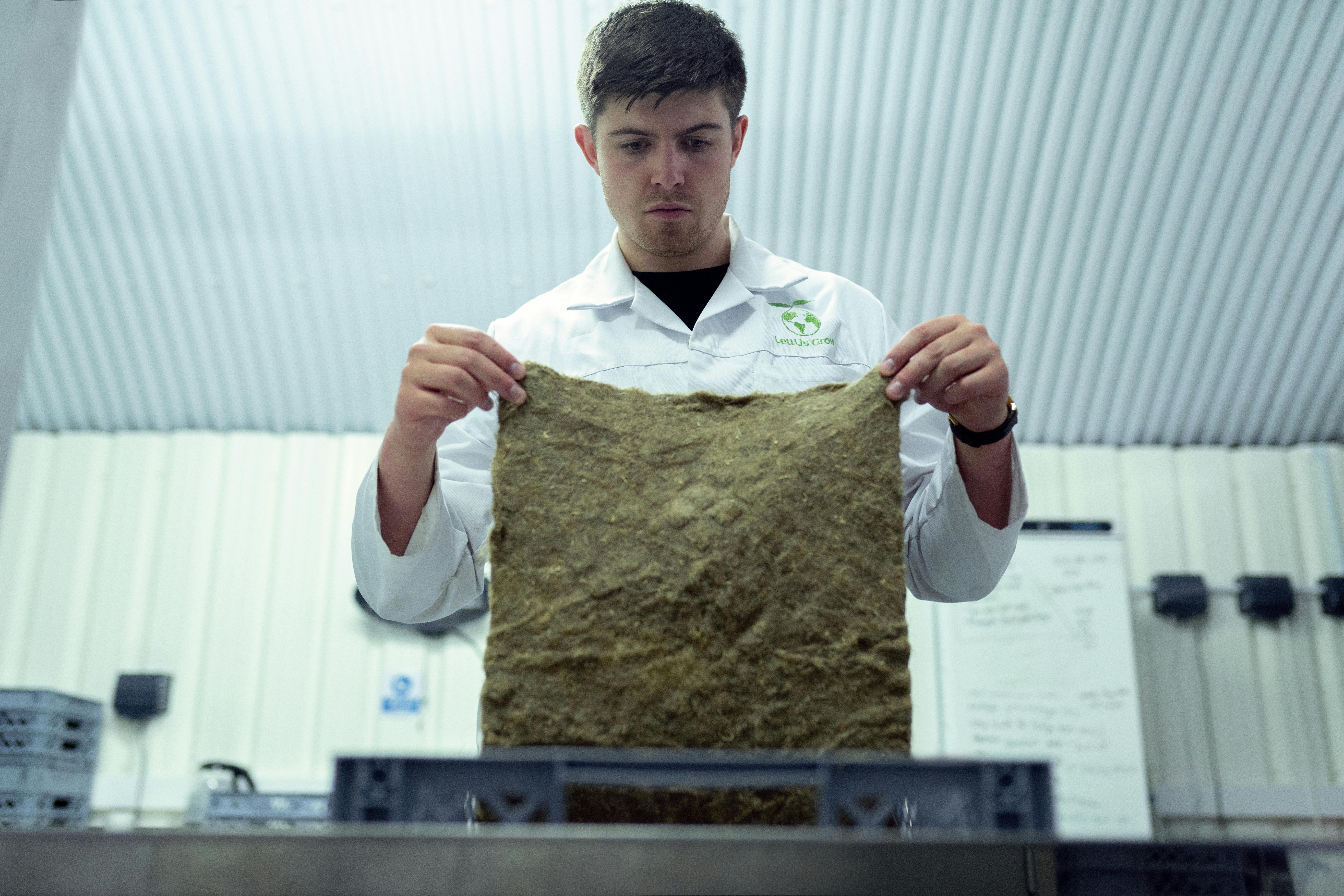
Researchers are developing hybrid materials that combine the best properties of different substances while maintaining recyclability. Nanocellulose composites offer strength comparable to carbon fiber at a fraction of the environmental impact. Mycelium-based materials grown from fungal roots provide biodegradable alternatives to foam packaging and even construction materials.
Metal and Electronic Waste Innovation
The explosion in electronic devices has created urgent challenges for recovering valuable metals and managing hazardous components. Urban mining—extracting precious metals from electronic waste—is becoming increasingly economically viable as ore grades decline and e-waste volumes grow. A ton of discarded mobile phones contains more gold than a ton of gold ore.
Hydrometallurgical and biohydrometallurgical processes use chemical solutions or bacteria to selectively dissolve and recover specific metals from complex electronic assemblies. These techniques can extract rare earth elements, precious metals, and base metals with higher efficiency and lower environmental impact than traditional smelting. The recovered materials are often purer than virgin sources, making them highly valuable for manufacturing.
⚙️ Industrial Scale-Up Challenges and Solutions
Transitioning breakthrough technologies from laboratory success to industrial scale presents significant challenges. Capital requirements for advanced recycling facilities can reach hundreds of millions of dollars. Securing consistent feedstock supplies, managing process variables, and achieving economic viability while competing with cheap virgin materials requires sophisticated business models and often policy support.
Collaboration between technology developers, waste management companies, product manufacturers, and governments is essential for overcoming these barriers. Public-private partnerships are funding demonstration plants that prove technology viability at commercial scale. Extended Producer Responsibility (EPR) schemes create financial incentives for companies to design recyclable products and support recycling infrastructure.
Regulatory Frameworks Driving Change
Government policies are increasingly mandating recycled content in products, banning certain single-use items, and establishing recycling targets. The European Union’s Circular Economy Action Plan sets ambitious goals for material circularity across all economic sectors. China’s plastic waste import ban forced developed nations to build domestic recycling capacity rather than exporting waste.
Standardization efforts are creating common definitions, measurement methods, and quality standards for recycled materials. These standards enable markets to function efficiently by ensuring buyers know exactly what they’re purchasing. Certification systems verify recycled content claims and environmentally sound processing methods, building trust throughout supply chains.
The Role of Consumer Behavior and Education
Even the most advanced recycling technologies cannot succeed without proper participation from consumers and businesses generating waste. Contamination from improper sorting remains a major challenge, reducing the quality and value of recovered materials. Education campaigns, simplified sorting systems, and feedback mechanisms are improving participation rates and material quality.
Behavioral economics insights are being applied to increase recycling engagement. Gamification, social comparison, and immediate feedback have proven effective in changing waste disposal habits. Some communities provide real-time information on recycling performance, creating friendly competition between neighborhoods and rewarding high performers.
🚀 Future Horizons: What’s Next for Recyclable Material Engineering
The next decade promises even more dramatic advances in recyclable material engineering. Artificial intelligence will optimize entire material cycles, predicting waste generation, adjusting processing parameters in real-time, and matching recovered materials with appropriate applications. Quantum computing may unlock molecular-level understanding that enables design of materials with predetermined recycling pathways.
Nanotechnology applications could create materials with embedded recycling instructions at the molecular level, automatically separating into pure component streams under specific conditions. Self-healing materials that repair damage during recycling could enable truly infinite material loops. Advanced sensors might detect material composition and contamination at parts-per-billion levels, ensuring absolute purity.
Integration with Renewable Energy Systems
The carbon footprint of recycling operations is receiving increased attention. Next-generation facilities will integrate renewable energy sources, using solar, wind, or waste-derived biogas to power operations. Some chemical recycling processes are exothermic, generating excess heat that can be captured for electricity production or industrial processes, creating net energy producers rather than consumers.
Green hydrogen produced from renewable electricity may replace fossil fuels in high-temperature processes like metal recycling. This would eliminate the largest remaining carbon emissions source in many recycling operations. Combined with renewable electricity for mechanical and chemical processes, carbon-neutral recycling is within reach.
Economic Opportunities and Job Creation
The recyclable material engineering revolution is creating diverse economic opportunities. High-skill positions in research, process engineering, and facility design offer excellent compensation and career growth. Operations and maintenance roles provide stable middle-class employment. Entrepreneurial opportunities exist throughout the value chain, from collection logistics to specialized processing services.
Developing nations are leveraging recycling as an industrialization pathway, building modern facilities that create jobs while addressing waste management challenges. International technology transfer and capacity building programs are spreading best practices globally. The informal recycling sector that employs millions worldwide is being integrated into formal systems that provide better wages, safety, and working conditions.
💡 Investment Trends and Market Dynamics
Venture capital and private equity are flowing into recycling technology companies at unprecedented rates. Investors recognize both the profit potential and positive environmental impact of advanced recycling. Corporate venture arms from major consumer goods companies, chemical manufacturers, and waste management firms are acquiring stakes in promising startups to secure future technology access.
Public markets are also embracing the sector, with recycling technology companies achieving substantial valuations through IPOs and SPAC mergers. Environmental, Social, and Governance (ESG) investing criteria are directing institutional capital toward companies demonstrating strong sustainability performance, including use of recycled materials. Green bonds specifically earmarked for circular economy projects provide favorable financing terms.
Collaborative Innovation Ecosystems
No single organization can solve the complex challenges of material circularity alone. Industry consortia bring together competitors to develop pre-competitive technologies, standards, and infrastructure. Academic institutions partner with industry to conduct applied research and train the next generation of engineers. Government funding agencies support high-risk, high-reward research that might not attract private investment.
Open innovation platforms allow problem solvers worldwide to contribute ideas and solutions. Crowdsourcing competitions have generated breakthrough concepts for specific recycling challenges. These collaborative approaches accelerate innovation beyond what any entity could achieve independently, while spreading costs and risks across multiple participants.
Addressing Global Inequality in Recycling Infrastructure
Vast disparities exist in recycling capabilities between wealthy and developing nations. While advanced economies deploy cutting-edge technologies, many regions lack even basic waste collection systems. Bridging this gap requires appropriate technology transfer, capacity building, and financing mechanisms that recognize different developmental stages and local conditions.
Decentralized, modular recycling systems sized for smaller communities show promise for expanding access. These systems can be locally operated and maintained without requiring the massive infrastructure investments of centralized facilities. Mobile recycling units bring processing capabilities to remote areas, collecting materials until economically viable loads accumulate.
🌱 Measuring Impact and Continuous Improvement
Robust measurement systems are essential for tracking progress toward sustainability goals. Life Cycle Assessment (LCA) methodologies quantify environmental impacts across material lifecycles, from resource extraction through end-of-life. These assessments inform decisions about material selection, process optimization, and technology investments by revealing true environmental costs and benefits.
Key performance indicators for recycling systems include recovery rates, material purity, energy consumption, carbon emissions, water usage, and economic viability. Tracking these metrics over time reveals improvement trends and identifies opportunities for further optimization. Transparency in reporting builds stakeholder confidence and enables meaningful comparisons between alternative approaches.
The Path Forward: A Collective Responsibility
Revolutionizing sustainability through recyclable material engineering requires action from all societal sectors. Policymakers must establish supportive regulatory frameworks and provide strategic investments in infrastructure and research. Industry must prioritize circular design principles and adopt available technologies. Consumers must participate actively in recycling programs and support sustainable products through purchasing decisions.
The technical solutions exist or are rapidly emerging. The economic case is strengthening as virgin material costs rise and recycled material quality improves. Social acceptance is growing as environmental awareness increases. The remaining challenge is coordination—aligning incentives, investments, and actions across the complex network of stakeholders involved in material flows.
The future of recyclable material engineering is not predetermined. It will be shaped by decisions made today regarding research priorities, capital allocation, policy design, and individual behaviors. By embracing innovation, fostering collaboration, and maintaining focus on environmental outcomes, we can build truly circular material systems that support both human prosperity and planetary health for generations to come. The revolution in recyclable material engineering represents humanity’s opportunity to demonstrate that economic development and environmental stewardship are not competing goals but complementary pathways toward a sustainable future. ♻️