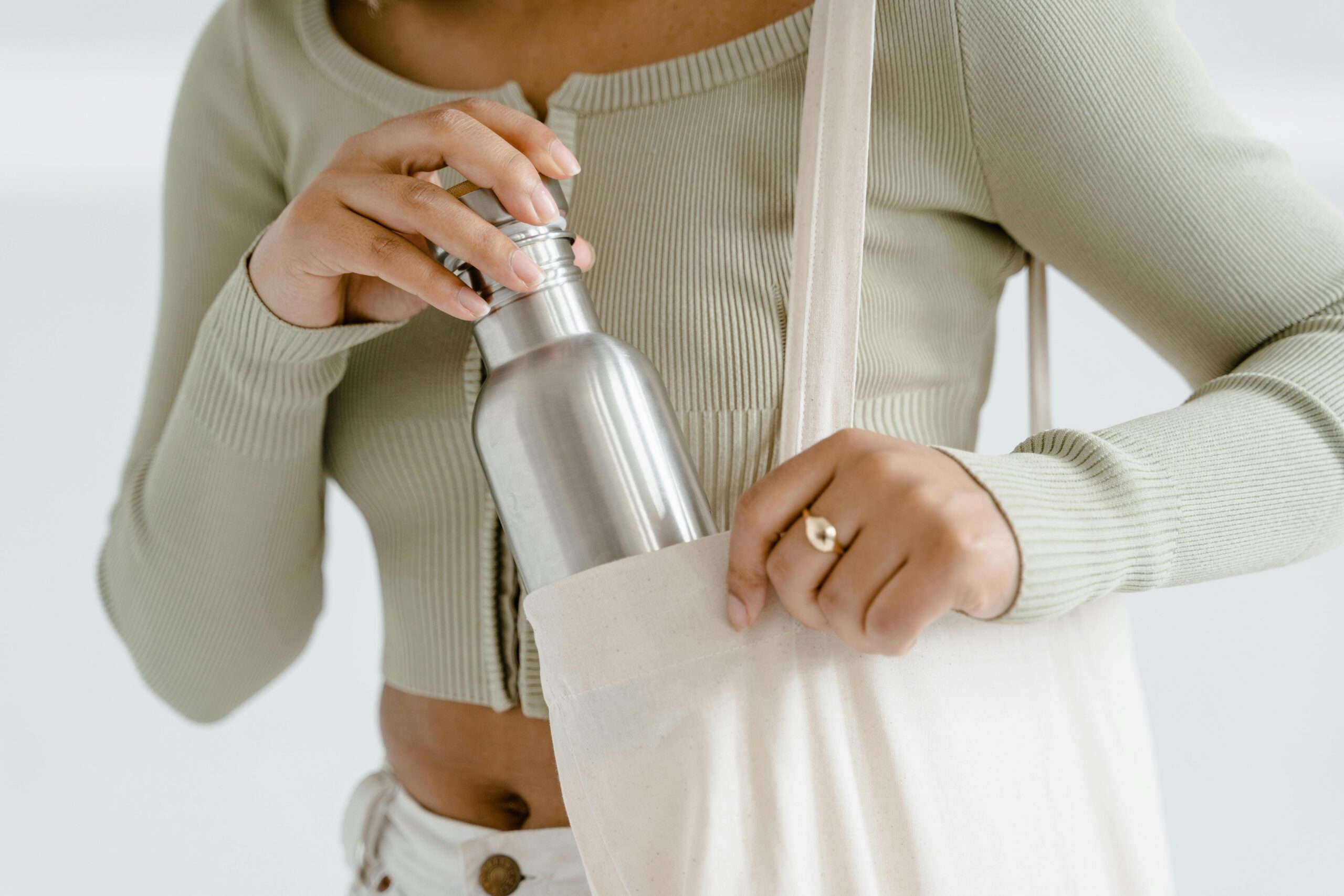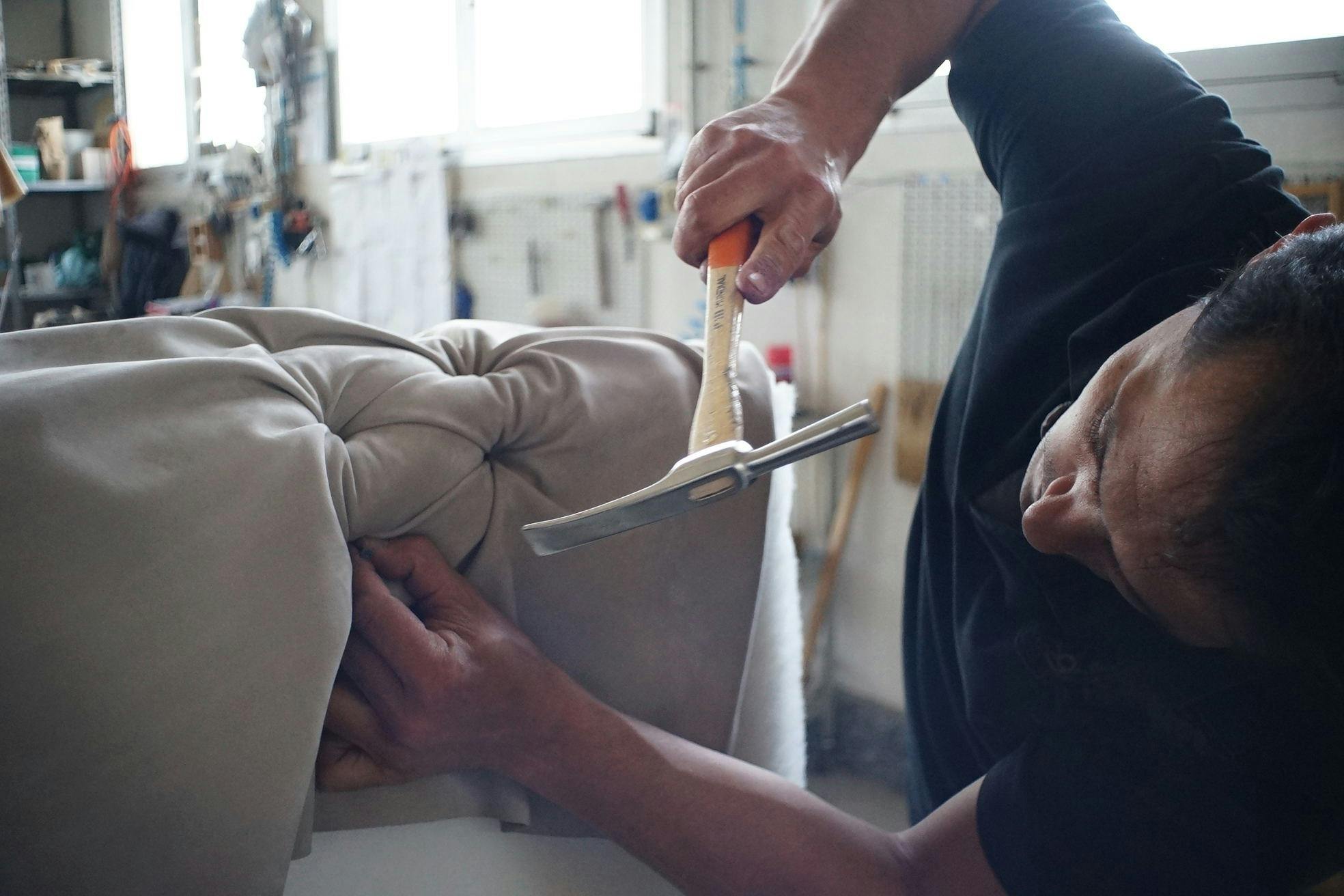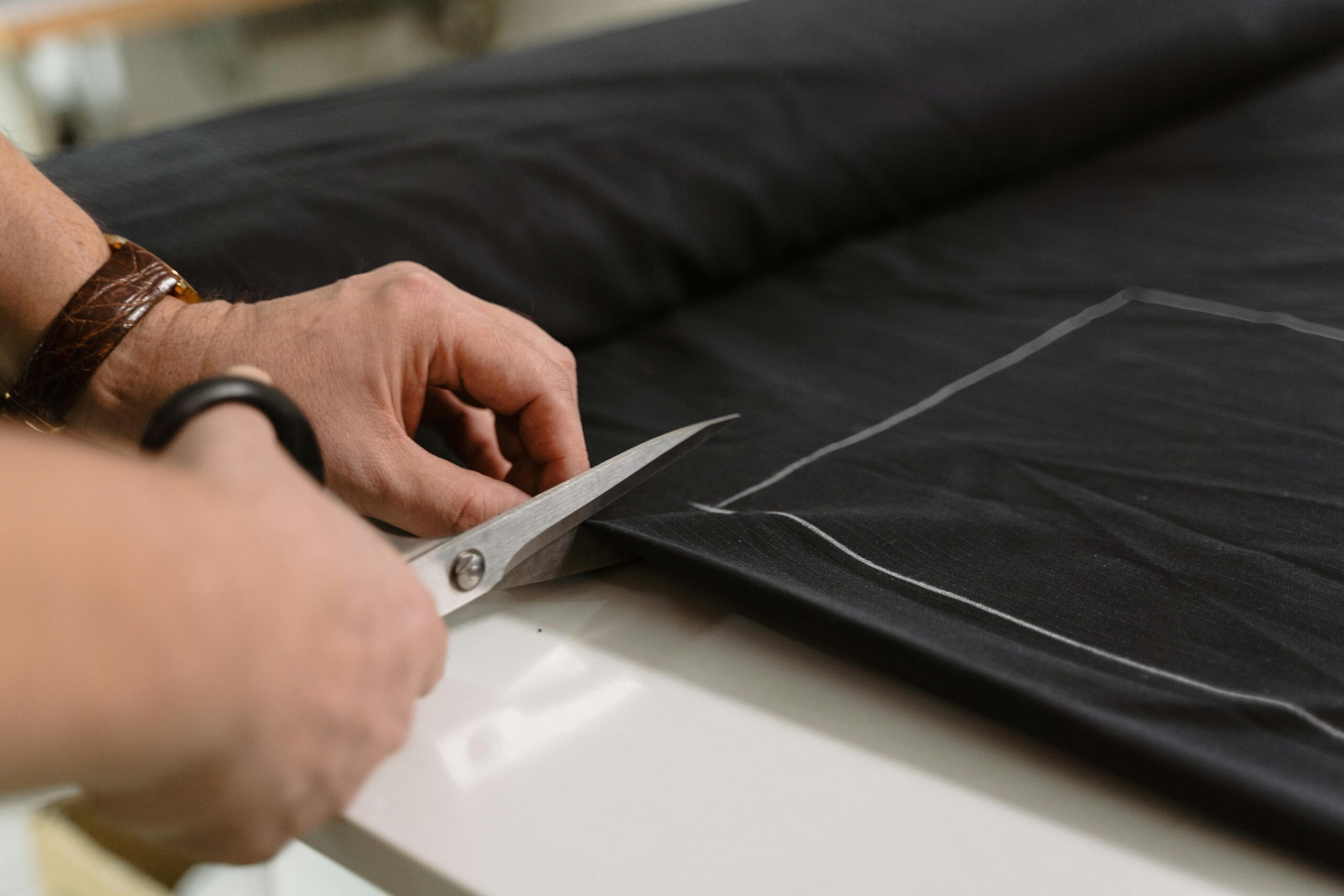
Creating a sustainable wardrobe isn’t just about following trends—it’s about making intentional choices that reflect your values while looking stylish and feeling confident in what you wear.

The fashion industry stands as one of the world’s largest polluters, responsible for approximately 10% of global carbon emissions and vast amounts of textile waste. By embracing ethical wardrobe planning, you’re not just curating a closet; you’re participating in a movement toward environmental responsibility, social justice, and mindful consumption that benefits both people and the planet.
Understanding the True Cost of Fast Fashion 🌍
Before diving into sustainable wardrobe planning, it’s essential to recognize what we’re moving away from. Fast fashion has conditioned consumers to view clothing as disposable, with new trends emerging weekly and garments designed to last only a handful of wears.
The environmental impact is staggering. The fashion industry consumes 93 billion cubic meters of water annually—enough to meet the needs of five million people. Synthetic fabrics shed microplastics with every wash, polluting oceans and entering our food chain. Chemical dyes contaminate water sources in manufacturing regions, affecting entire communities.
Beyond environmental concerns, there’s a human cost. Many garment workers face unsafe conditions, unfair wages, and excessive working hours. When you purchase a $5 t-shirt, someone somewhere paid the real price—and it wasn’t reflected in your receipt.
The Foundation: Assessing Your Current Wardrobe
Sustainable wardrobe planning begins with understanding what you already own. This crucial first step prevents unnecessary purchases and helps identify gaps in your collection.
Start by removing everything from your closet. Yes, everything. This process might feel overwhelming, but it’s transformative. As you handle each item, ask yourself: Do I wear this regularly? Does it fit my current lifestyle? Is it in good condition? Does wearing it make me feel confident?
Create three categories: keep, repair, and release. Items you keep should be things you genuinely wear and love. Pieces needing repair might just need a button reattached or a hem fixed—minor issues that shouldn’t relegate perfectly good clothing to landfills. Items to release can be donated, sold, or swapped with friends.
The Capsule Wardrobe Concept ✨
A capsule wardrobe consists of approximately 30-40 versatile pieces that work together cohesively. This approach emphasizes quality over quantity and makes getting dressed simpler and more enjoyable.
The beauty of a capsule wardrobe lies in its adaptability. Your capsule should reflect your lifestyle, climate, and personal aesthetic. A graphic designer working from home needs different pieces than a corporate attorney or an elementary school teacher.
Build your capsule around neutral basics that can be mixed and matched easily, then add personality with statement pieces, accessories, and textures. Think of it as creating a visual grammar where each piece is a word that combines with others to create countless outfits.
Choosing Sustainable Fabrics and Materials
The materials in your clothing significantly impact their environmental footprint. Understanding fabric sustainability helps you make informed purchasing decisions.
Natural fibers like organic cotton, linen, hemp, and Tencel generally have lower environmental impacts than conventional alternatives. Organic cotton uses significantly less water and no harmful pesticides. Linen is incredibly durable and requires minimal processing. Hemp grows quickly without pesticides and actually improves soil quality.
Tencel, made from wood pulp through a closed-loop process, represents innovative sustainable manufacturing. The production recycles 99% of solvents and water used, making it remarkably eco-friendly.
However, not all natural fibers are automatically sustainable. Conventional cotton is notoriously water-intensive and pesticide-heavy. Viscose production, unless certified as eco-friendly, can contribute to deforestation.
Understanding Synthetic Alternatives
While synthetic fabrics like polyester derive from petroleum and shed microplastics, recycled synthetics offer a more sustainable option. Recycled polyester diverts plastic bottles from landfills and uses significantly less energy to produce than virgin polyester.
Innovative materials are emerging constantly. Piñatex is made from pineapple leaf fibers, offering a leather alternative. Mushroom leather, made from mycelium, is gaining traction. Recycled ocean plastics are being transformed into activewear and swimwear.
| Fabric Type | Sustainability Rating | Best Uses |
|---|---|---|
| Organic Cotton | High | T-shirts, underwear, casual wear |
| Linen | Very High | Summer clothing, sheets |
| Hemp | Very High | Durable clothing, bags |
| Tencel | High | Dresses, blouses, activewear |
| Recycled Polyester | Medium | Outerwear, activewear |
| Conventional Cotton | Low | Avoid when possible |
Identifying Ethical and Sustainable Brands
Not all brands marketing themselves as “sustainable” genuinely prioritize environmental and social responsibility. Greenwashing—when companies falsely present themselves as eco-friendly—is rampant in the fashion industry.
Look for specific certifications and transparency. B Corporation certification indicates a company meets rigorous social and environmental standards. Fair Trade certification ensures fair wages and safe working conditions. GOTS (Global Organic Textile Standard) certifies organic fibers and ethical manufacturing.
Truly sustainable brands are transparent about their supply chains. They openly share information about where materials are sourced, where garments are manufactured, and what wages workers receive. If a brand is vague about these details, that’s a red flag.
Supporting Small and Local Businesses 👗
While large sustainable brands play an important role, don’t overlook small, local designers and makers. These businesses often have smaller environmental footprints, produce in small batches, and offer unique pieces you won’t see everywhere.
Local production reduces transportation emissions and often supports fair labor practices more directly. You’re investing in your community’s economy while building a distinctive wardrobe.
The Art of Mindful Shopping
Sustainable wardrobe planning requires shifting from impulsive to intentional purchasing. Before buying anything new, implement a waiting period—at least 48 hours for smaller purchases, longer for investment pieces.
Ask yourself critical questions: Do I already own something similar? How many ways can I style this? Will I wear it at least 30 times? Does it fit my current lifestyle and wardrobe? Is it well-made enough to last years?
Calculate cost-per-wear rather than focusing solely on the initial price. A $200 coat worn 100 times costs $2 per wear, while a $50 coat worn 10 times costs $5 per wear. Quality investment pieces often prove more economical long-term.
Secondhand Shopping Strategies 🛍️
Buying secondhand is one of the most sustainable fashion choices you can make. You’re extending the life of existing garments and preventing them from reaching landfills while avoiding the environmental impact of new production.
Thrift stores, consignment shops, vintage boutiques, and online resale platforms offer incredible finds. Apps like Depop, Poshmark, ThredUp, and Vinted have made secondhand shopping more accessible and curated than ever.
Successful secondhand shopping requires patience and strategy. Know your measurements precisely—sizing varies wildly across eras and brands. Focus on quality materials and classic styles that transcend trends. Inspect items carefully for damage, though minor issues can often be repaired.
Don’t limit yourself to the “women’s” or “men’s” sections. Great pieces exist everywhere, and gendered clothing categories are increasingly irrelevant. An oversized men’s button-down can be styled countless ways, and vintage men’s sweaters often feature superior quality and unique patterns.
Caring for Your Clothes: Maintenance Matters
The most sustainable garment is one you already own and wear for years. Proper care extends clothing lifespan significantly, reducing the need for replacements and the associated environmental impact.
Wash less frequently. Unless garments are visibly soiled or odorous, they often don’t need washing after every wear. Spot-clean stains promptly, air out items between wears, and save full washes for when truly necessary. This practice conserves water and energy while reducing fabric wear.
When washing, use cold water—it’s gentler on fabrics and uses significantly less energy. Turn garments inside out to protect outer surfaces and colors. Use eco-friendly detergents free from harsh chemicals, and avoid fabric softener, which can coat fibers and reduce absorbency.
Repair and Alteration Skills 🧵
Learning basic mending skills transforms your relationship with clothing. Sewing on buttons, fixing small tears, and hemming pants are surprisingly simple once you try.
For more complex repairs, develop a relationship with a good tailor. Alterations can transform ill-fitting pieces into wardrobe favorites and update older items with contemporary silhouettes. That vintage blazer with shoulder pads can be modernized; those too-long jeans can be perfectly cropped.
Visible mending has become an art form and fashion statement. Japanese sashiko stitching, embroidered patches, and creative darning add character and uniqueness to repaired garments. Your clothing’s history—including its repairs—becomes part of its story.
Building a Timeless Style Identity
Trends come and go, but personal style endures. Developing a clear sense of your aesthetic helps you resist impulse purchases and build a cohesive wardrobe you’ll love for years.
Create a style inspiration collection. Pin images that resonate with you, but look beyond individual items to identify patterns. Do you gravitate toward minimalist aesthetics or bold patterns? Structured tailoring or flowing silhouettes? Monochromatic palettes or color contrasts?
Understanding your style identity doesn’t mean wearing the same thing forever. It means having a clear foundation that can evolve while remaining authentically you. Your style should feel like a second skin, not a costume.
The Power of Accessories ✨
Accessories transform outfits and extend wardrobe versatility exponentially. A simple dress becomes multiple outfits with different shoes, jewelry, belts, or scarves.
Invest in quality accessories that complement your wardrobe. Classic leather goods, versatile scarves, and statement jewelry pieces add personality without requiring an overflowing closet. Secondhand markets offer incredible accessory finds, often at fraction-of-retail prices.
Seasonal Transitions Without Excess
You don’t need an entirely new wardrobe for each season. Strategic layering and transitional pieces keep you comfortable year-round without excessive consumption.
Build around layering fundamentals: lightweight base layers, medium-weight transitional pieces, and weather-appropriate outerwear. A summer dress extends into fall with tights, boots, and a cardigan. Winter knits transition to spring worn over light shirts.
Store off-season clothing properly to maintain condition. Clean everything before storage—stains and oils attract insects and can set permanently. Use breathable storage solutions, not plastic bags, which trap moisture and promote mildew.
Creating Community Around Conscious Fashion
Sustainable style doesn’t mean shopping alone. Building community enhances both the practical and social aspects of ethical wardrobe planning.
Organize clothing swaps with friends, coworkers, or community groups. These events cost nothing, build connections, and give garments new life with people who will love them. One person’s unworn impulse purchase becomes another’s wardrobe staple.
Share resources and knowledge. Recommend your favorite tailor, ethical brands, or thrift stores. Discuss challenges and solutions around sustainable fashion. The collective knowledge of a community far exceeds what any individual discovers alone.
Embracing the Journey, Not Perfection 🌱
Transitioning to a sustainable wardrobe is a journey, not an overnight transformation. Don’t feel pressured to discard everything and start over—that defeats the purpose of sustainability.
Use what you have until items naturally reach the end of their lifespan, then replace them thoughtfully. Make incremental changes that feel manageable. Progress, not perfection, is the goal.
Some compromises are necessary. Perhaps you need specific technical fabrics for athletic activities, or your professional environment requires certain items not readily available sustainably. That’s okay. Do your best within your circumstances, and remember that collective imperfect action creates more impact than individual perfection.
Every intentional choice matters—wearing items longer, repairing instead of replacing, choosing quality over quantity, supporting ethical brands when possible, and shopping secondhand. These decisions accumulate into significant positive impact over time.
Your wardrobe should bring joy, not guilt. If ethical fashion feels like deprivation rather than intention, reassess your approach. Sustainable style isn’t about sacrifice; it’s about aligning your external presentation with your internal values, creating a closet full of pieces you genuinely love and that reflect the world you want to help create.
The art of ethical wardrobe planning ultimately transcends fashion itself. It’s about recognizing that our choices ripple outward, affecting ecosystems, communities, and industries. It’s about reclaiming agency in a consumer culture designed to make us feel perpetually inadequate. It’s about finding freedom in enough, beauty in longevity, and confidence in authenticity. Your closet becomes not just a collection of clothes, but a reflection of conscious living—proof that style and sustainability aren’t opposing forces, but powerful partners in creating a more beautiful, equitable, and greener world.