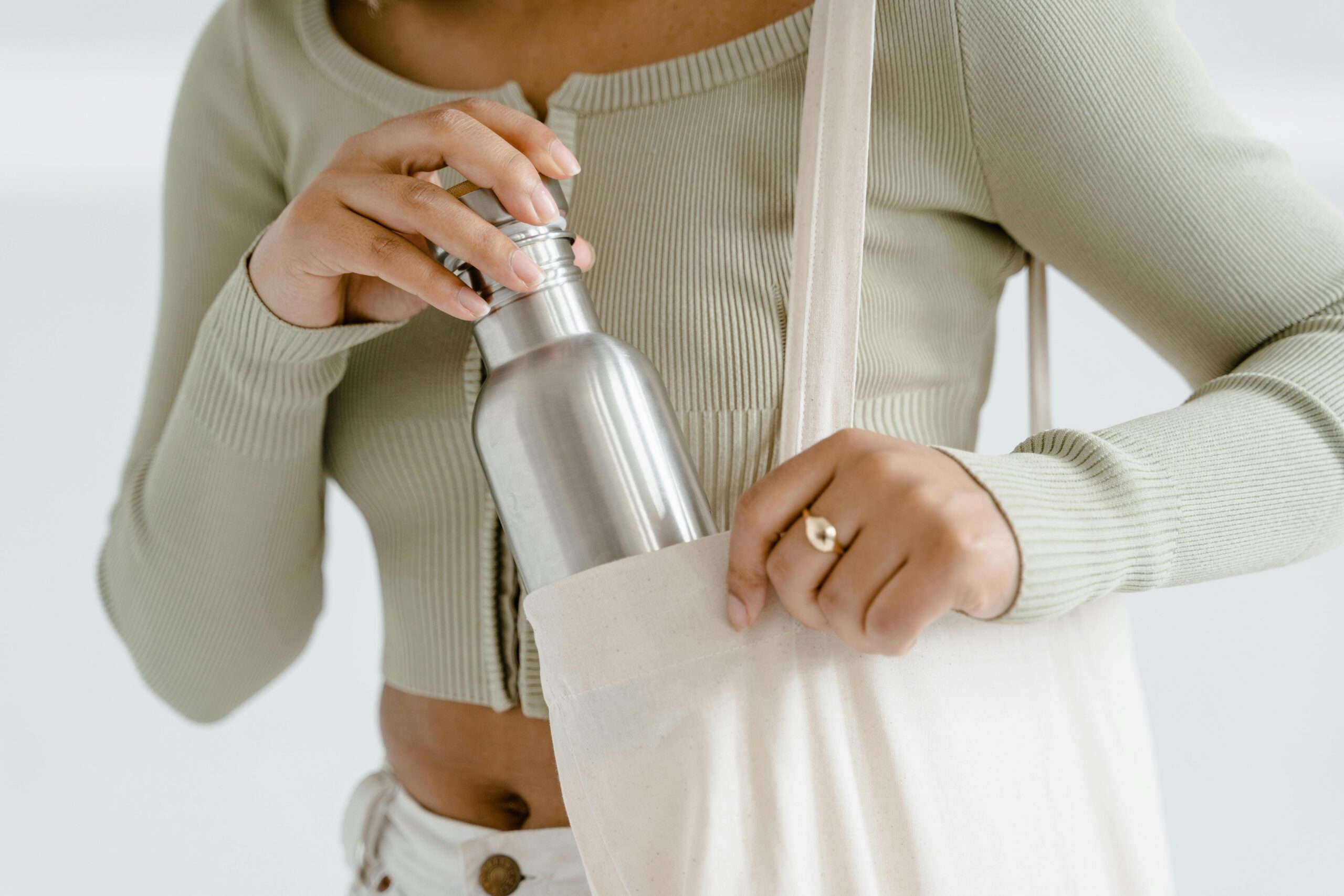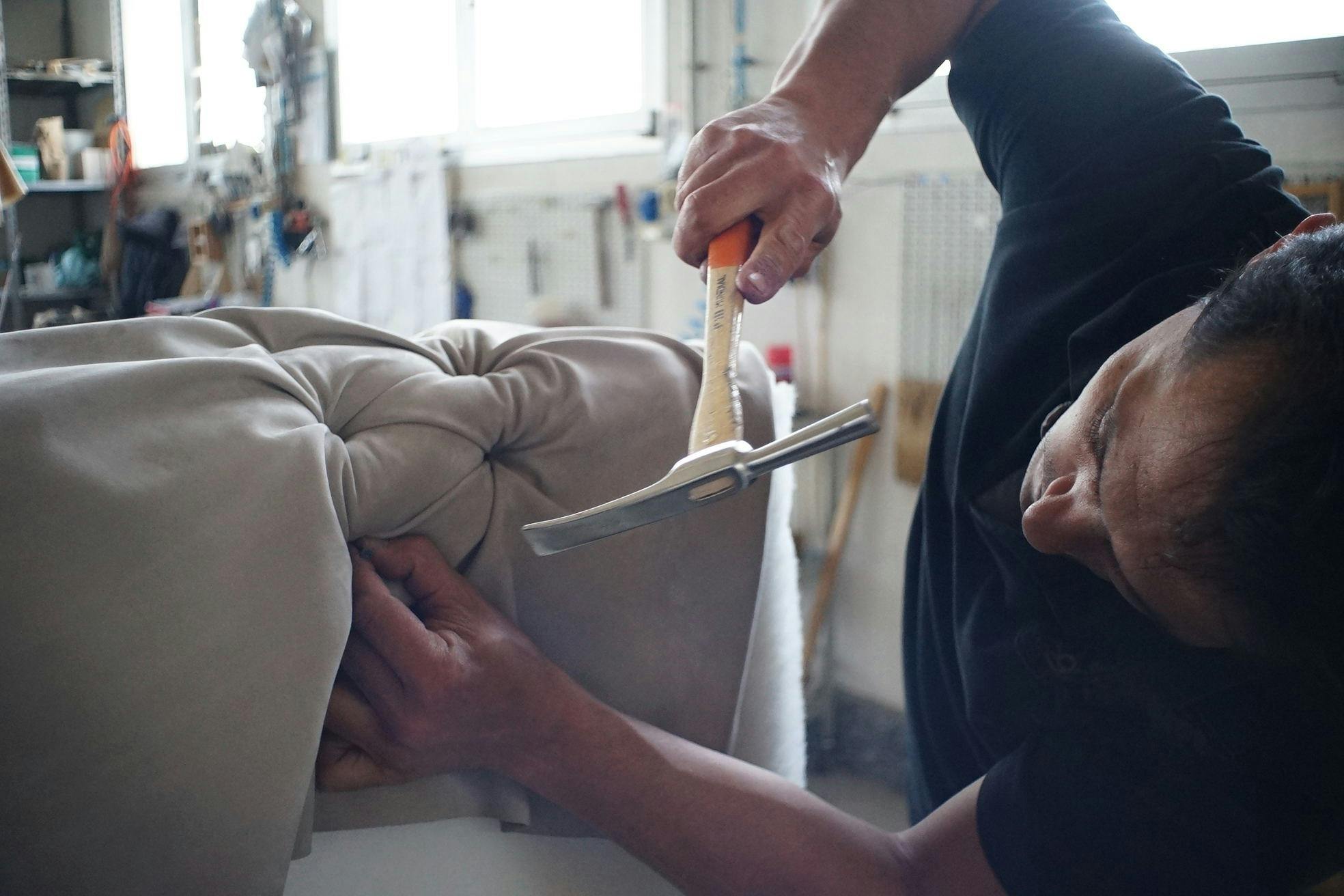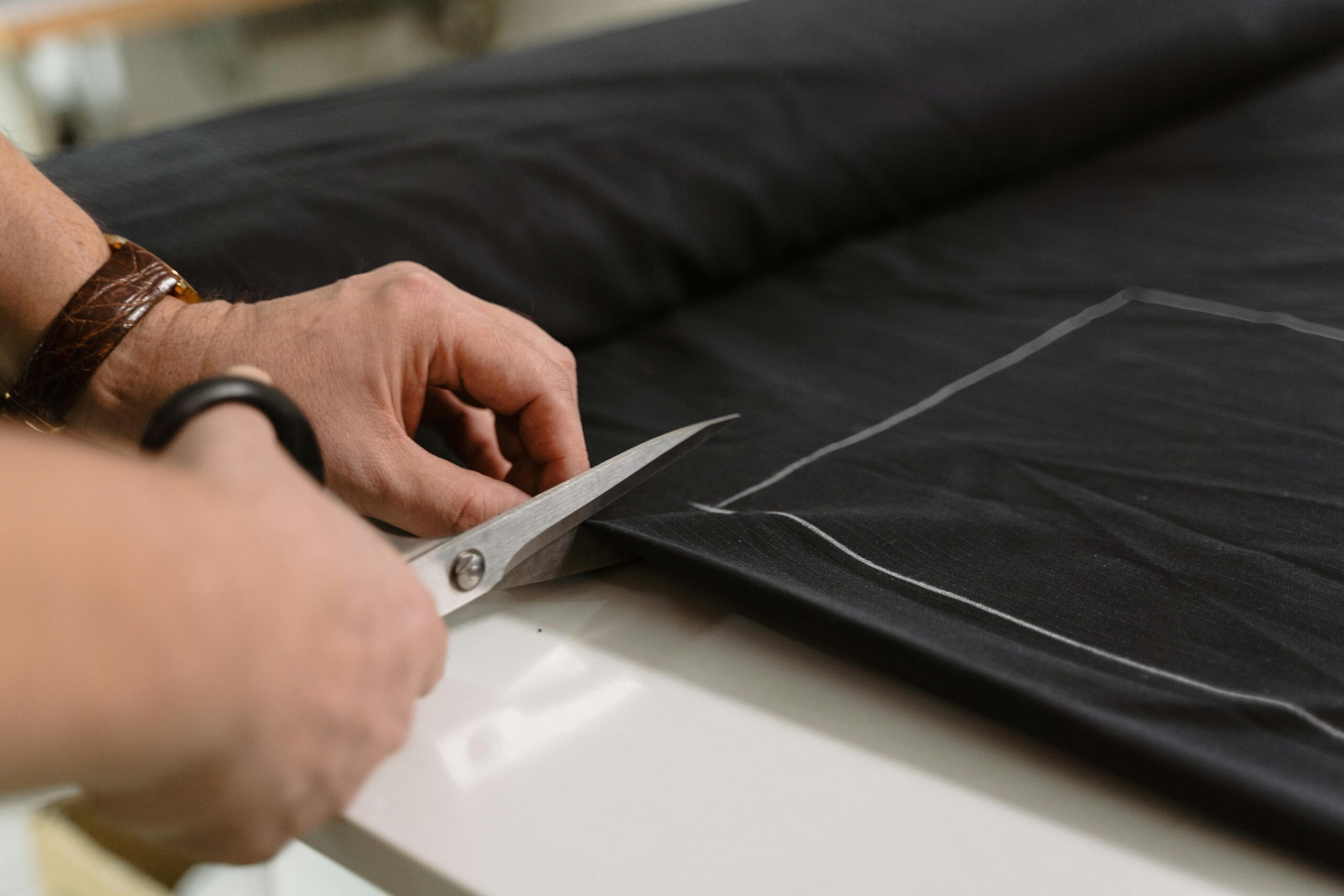
The fashion industry stands at a crossroads, where fast-paced consumption meets growing environmental consciousness. The slow fashion movement emerges as a powerful alternative, championing quality, sustainability, and mindful purchasing decisions that reshape our relationship with clothing.

As consumers worldwide awaken to the hidden costs of disposable fashion, a quiet revolution unfolds in closets and boutiques across the globe. This transformation invites us to reconsider not just what we wear, but how our choices ripple through communities, ecosystems, and future generations.
Understanding the Foundations of Slow Fashion Philosophy 🌱
Slow fashion represents more than a trend—it embodies a comprehensive approach to clothing production and consumption. This movement challenges the breakneck speed of fast fashion by prioritizing craftsmanship, ethical labor practices, and environmental stewardship. Unlike its mass-production counterpart, slow fashion celebrates the stories behind each garment, acknowledging the hands that crafted it and the resources invested in its creation.
The philosophy draws inspiration from the broader slow movement, which originated with slow food in Italy during the 1980s. Applied to fashion, these principles emphasize transparency throughout the supply chain, from fiber cultivation to final sale. Designers and brands committed to slow fashion often maintain close relationships with artisans, ensuring fair wages and safe working conditions while preserving traditional crafting techniques that might otherwise disappear.
At its core, slow fashion encourages consumers to ask critical questions: Who made my clothes? What materials comprise this garment? How will this piece age over time? These inquiries foster deeper connections between wearers and their wardrobes, transforming clothing from disposable commodities into cherished possessions with personal significance.
The Environmental Imperative Behind Conscious Fashion Choices
The fashion industry ranks among the world’s most polluting sectors, contributing approximately 10% of global carbon emissions and consuming vast quantities of water. A single cotton t-shirt requires roughly 2,700 liters of water to produce—enough drinking water for one person for two and a half years. The synthetic materials dominating fast fashion collections shed microplastics with each wash, contaminating oceans and entering food chains.
Slow fashion addresses these environmental crises through strategic material selection and production methods. Natural, organic, and recycled fibers reduce chemical pollution and water consumption. Brands embracing circular economy principles design garments for longevity, repairability, and eventual biodegradation or recycling. This approach dramatically reduces textile waste, which currently sees approximately 92 million tons discarded annually.
Beyond materials, slow fashion brands typically operate on smaller production scales, minimizing overproduction and unsold inventory. Many utilize local manufacturing, reducing transportation emissions while supporting regional economies. The movement also champions innovative dyeing techniques using natural pigments and waterless processes, addressing one of fashion’s most toxic practices.
Measuring the Carbon Footprint Difference
When comparing slow fashion to fast fashion, the environmental disparities become strikingly clear. A well-made garment worn for years distributes its environmental impact across extended use, while cheap items discarded after few wears concentrate harm in short timeframes. Studies suggest that extending a garment’s life by just nine months reduces its carbon, water, and waste footprints by approximately 20-30%.
Building a Timeless Wardrobe That Transcends Trends
Creating a slow fashion wardrobe begins with honest assessment and intentional curation. Rather than chasing seasonal trends, this approach focuses on versatile, high-quality pieces that reflect personal style while offering maximum wearability. The concept of a capsule wardrobe—a limited collection of essential items that coordinate seamlessly—exemplifies slow fashion principles in practice.
Investment pieces form the foundation of timeless style. Classic silhouettes in neutral colors provide endless combination possibilities, while carefully selected statement pieces inject personality without dating quickly. Quality craftsmanship ensures these garments withstand repeated wear and washing, actually improving with age as fabrics soften and conform to the wearer’s body.
The “cost-per-wear” calculation reveals slow fashion’s economic wisdom. A $200 coat worn 200 times over five years costs just $1 per wear, while a $40 coat worn ten times before deteriorating costs $4 per wear. This mathematics demonstrates how quality purchases ultimately save money while reducing environmental impact and mental clutter.
Essential Elements of a Sustainable Wardrobe ✨
- Well-fitted denim in classic cuts that transcend seasonal trends
- Crisp white shirts or blouses crafted from organic cotton or linen
- Tailored blazers or jackets in neutral tones for versatile layering
- Quality knitwear made from natural fibers like wool or cashmere
- Comfortable yet elegant footwear designed for durability and repair
- Timeless outerwear appropriate for your climate and lifestyle
- Simple dresses or suits that transition easily between contexts
- Carefully selected accessories that elevate basic outfits
Recognizing Authentic Slow Fashion Brands and Practices
Navigating the fashion landscape requires discernment as greenwashing—misleading environmental claims—proliferates. Genuine slow fashion brands demonstrate transparency through detailed supply chain information, sharing factory locations, worker conditions, and environmental certifications. Third-party verifications like Fair Trade, GOTS (Global Organic Textile Standard), and B Corp status provide reliable indicators of authentic commitment.
Pricing offers another clue, though not definitive proof. Ethically produced garments using quality materials and fair labor simply cannot match fast fashion’s rock-bottom prices. Suspiciously cheap “sustainable” lines often indicate compromises somewhere in the supply chain. However, expensive doesn’t automatically mean ethical, requiring consumers to research beyond price tags.
Authentic slow fashion brands typically tell rich stories about their makers, materials, and methods. They acknowledge challenges and continuously improve rather than claiming perfection. Many offer repair services, accept returns for recycling, or facilitate secondhand sales of their garments, demonstrating genuine circular economy commitment rather than marketing spin.
The Social Justice Dimensions of Conscious Clothing
Slow fashion’s impact extends beyond environmental concerns into human rights territory. The fast fashion model depends on exploitative labor practices, predominantly affecting women in developing countries who face poverty wages, dangerous conditions, and excessive working hours. The 2013 Rana Plaza collapse in Bangladesh, which killed over 1,100 garment workers, starkly illustrated these human costs.
By contrast, slow fashion prioritizes fair compensation and safe working environments. Many brands work directly with artisan cooperatives, ensuring living wages that support entire communities. These partnerships often preserve cultural heritage by keeping traditional textile techniques alive while providing economic alternatives to exploitative factory work.
The movement also challenges fashion’s problematic beauty standards and waste culture. By emphasizing quality and longevity over constant newness, slow fashion reduces pressure to continuously acquire the latest styles. This shift promotes body positivity and individual expression over conformity to rapidly changing trends designed to fuel perpetual dissatisfaction.
Supporting Communities Through Fashion Choices 🤝
Every clothing purchase represents a vote for the world we want to create. Choosing slow fashion supports small businesses, preserves craft traditions, and invests in communities rather than enriching corporations with questionable ethics. This conscious consumption builds economic resilience while fostering cultural diversity in an increasingly homogenized global marketplace.
Practical Strategies for Transitioning to Slow Fashion
Embracing slow fashion doesn’t require discarding your entire wardrobe overnight—such waste contradicts the movement’s principles. Instead, begin by pausing new purchases while thoroughly assessing current holdings. Rediscover forgotten pieces, repair damaged items, and identify genuine gaps versus fleeting wants.
When purchases become necessary, research precedes action. Investigate brands’ sustainability claims, read reviews emphasizing durability, and consider secondhand options first. Vintage and consignment shopping offer sustainable alternatives while often providing unique pieces unavailable in current retail. Online platforms connecting sellers and buyers of pre-loved clothing have exploded, making secondhand shopping easier than ever.
Care practices dramatically extend garment life. Washing less frequently, using cold water, air drying, and promptly repairing minor damage preserve clothing quality. Learning basic mending skills—sewing buttons, patching holes, hemming—empowers self-sufficiency while deepening appreciation for garment construction. Many communities offer repair workshops or clothing swaps, building social connections around sustainable practices.
Monthly Slow Fashion Challenge Ideas
- Track every clothing item worn for a month to identify actual usage patterns
- Learn one new repair or alteration skill through online tutorials
- Host a clothing swap party with friends to refresh wardrobes sustainably
- Research and share one ethical brand on social media with your network
- Calculate the cost-per-wear of your five most-worn items
- Visit local thrift stores or consignment shops before buying new
- Organize and document your current wardrobe to prevent duplicate purchases
- Support a small, ethical brand by purchasing one quality piece
The Intersection of Technology and Sustainable Fashion Innovation
Technological advances increasingly support slow fashion principles through innovative materials and transparency tools. Blockchain technology enables supply chain tracking, allowing consumers to verify sustainability claims. Apps help users catalog wardrobes, plan outfits, and calculate environmental impacts of their clothing choices, making conscious consumption more accessible.
Material science breakthroughs produce sustainable alternatives to conventional fabrics. Innovations include leather from mushrooms and pineapple leaves, silk from yeast fermentation, and fibers from recycled ocean plastics. These developments demonstrate how technology can solve fashion’s environmental challenges without sacrificing quality or aesthetics.
Digital platforms connect consumers with repair services, tailors, and alteration specialists, making garment maintenance convenient. Online communities share styling tips for existing wardrobes, reducing pressure to constantly purchase new items. Virtual closet apps prevent duplicate purchases by maintaining inventories of owned clothing, addressing the “I have nothing to wear” phenomenon that drives unnecessary shopping.
Overcoming Barriers and Common Misconceptions
Skeptics often cite higher initial costs as barriers to slow fashion adoption. However, this perspective ignores total cost of ownership—quality garments purchased less frequently ultimately cost less than constant cheap replacements. Additionally, secondhand markets and end-of-season sales from ethical brands make sustainable fashion accessible across income levels.
Another misconception suggests sustainable fashion lacks style or variety. In reality, slow fashion encompasses diverse aesthetics from minimalist to maximalist, classic to avant-garde. The movement champions personal style development over trend following, actually increasing wardrobe uniqueness and creative expression.
Concerns about time investment—researching brands, learning repairs, shopping secondhand—prove minimal compared to hours spent scrolling fast fashion websites or browsing stores for temporary satisfaction. Many discover that intentional, infrequent purchasing actually reduces time spent on fashion while increasing wardrobe satisfaction.
Cultivating Mindfulness Through Your Wardrobe Choices 🧘
Slow fashion naturally extends into broader conscious living practices. The mindfulness required for intentional purchasing transfers to other consumption areas—food, home goods, electronics. This holistic approach recognizes interconnections between personal choices and global impacts, fostering responsibility without guilt or perfectionism.
Getting dressed becomes a more meaningful ritual when each piece carries a story—where it came from, who made it, why you chose it. This intentionality replaces the dissatisfaction cycle perpetuated by fast fashion with genuine appreciation and contentment. Clothing transforms from status symbols or mood regulators into functional art that reflects authentic self-expression.
The practice also builds patience and delayed gratification skills increasingly rare in instant-access culture. Saving for quality pieces, waiting for perfect items to appear secondhand, or commissioning custom-made garments cultivates anticipation and appreciation that cheap, immediate purchases cannot match.
Looking Forward: The Future of Fashion and Conscious Consumption
The slow fashion movement gains momentum as awareness spreads and options multiply. Younger generations particularly embrace sustainable values, pressuring brands toward transparency and accountability. Regulatory changes increasingly mandate environmental disclosures and waste reduction, accelerating industry transformation.
Rental and clothing library models offer alternatives to ownership, providing variety without waste. These sharing economy approaches suit occasion wear particularly well, eliminating single-use purchases while maintaining access to diverse styles. As these services expand and improve, they’ll likely become standard fashion consumption channels alongside purchase and secondhand markets.
Ultimately, slow fashion’s success depends on collective action—individual consumers making better choices, designers prioritizing sustainability, manufacturers embracing ethical practices, and policymakers creating supportive frameworks. Each conscious clothing decision contributes to this larger transformation, proving that personal style and planetary health need not conflict.

Embracing Your Unique Journey Toward Sustainable Style 💚
Transitioning to slow fashion represents a personal journey without prescribed timelines or rigid rules. Progress matters more than perfection—each mindful purchase, each repaired garment, each conscious decision accumulates into meaningful impact. The movement welcomes participants wherever they start, recognizing that diverse paths lead toward shared sustainability goals.
Your wardrobe tells your story while contributing to larger narratives about values, priorities, and vision for the future. By embracing timeless style through slow fashion, you participate in revolutionizing an industry desperately needing transformation. This choice affirms that fashion can celebrate creativity and craft while respecting people and planet—a truly sustainable luxury available to all who choose it.
The revolution begins in your closet, extends through your community, and ripples across the global fashion landscape. Every garment represents a choice between disposable convenience and lasting value, between unconscious consumption and mindful participation. Choose wisely, wear proudly, and watch as your personal style becomes a powerful statement of conscious living.