The modern luxury consumer is no longer satisfied with surface-level glamour. Today’s discerning buyers demand transparency, ethical practices, and environmental responsibility alongside timeless elegance and superior craftsmanship.

This paradigm shift has fundamentally transformed how prestigious brands operate, pushing the entire luxury industry toward a new era where opulence and integrity coexist. The convergence of technological innovation, consumer awareness, and regulatory pressure has created an unprecedented opportunity to reimagine luxury supply chains from the ground up.
The Evolution of Luxury: From Secrecy to Transparency 🌟
For centuries, luxury brands thrived on mystique and exclusivity, carefully guarding their sourcing secrets and manufacturing processes. The allure of the unknown was part of the product’s appeal, with consumers accepting opacity as an intrinsic element of high-end fashion and jewelry.
However, this traditional model has become increasingly untenable in our interconnected digital age. Social media has democratized information, investigative journalism has exposed unethical practices, and younger generations have demonstrated their willingness to boycott brands that fail to align with their values. The luxury sector has reached a critical inflection point where transparency is no longer optional but essential for survival.
Leading luxury houses have recognized this shift and begun implementing comprehensive traceability systems. These initiatives allow customers to trace their purchases from raw material extraction through every transformation stage until the finished product reaches their hands. This radical openness represents a complete inversion of the industry’s historical approach.
Blockchain Technology: The Foundation of Verifiable Luxury
Blockchain technology has emerged as the cornerstone solution for authenticating luxury goods and verifying ethical supply chains. This distributed ledger system creates immutable records that cannot be altered retroactively, providing unprecedented reliability in tracking product journeys.
Several pioneering luxury brands have partnered with technology companies to implement blockchain-based authentication systems. Each product receives a digital certificate that records its provenance, materials, craftspeople involved, and sustainability credentials. Consumers can access this information through smartphone applications, instantly verifying authenticity and ethical sourcing.
The implications extend far beyond counterfeiting prevention. Blockchain enables brands to demonstrate their commitment to fair labor practices, environmental stewardship, and material authenticity with cryptographic certainty. This technological infrastructure transforms vague marketing claims into verifiable facts.
Smart Contracts and Automated Compliance
Smart contracts built on blockchain platforms automatically enforce ethical standards throughout supply chains. These self-executing agreements can ensure that suppliers meet predetermined criteria for worker welfare, environmental impact, and material quality before payments are released.
This automation reduces human error and corruption while creating real-time accountability. If a supplier fails to meet agreed standards, the smart contract can trigger alerts, withhold payments, or activate alternative sourcing protocols. This systematic approach to ethics represents a quantum leap from traditional audit-based compliance systems.
Ethical Sourcing: Beyond Marketing Rhetoric 💎
The luxury industry has historically been vulnerable to accusations of exploitative labor practices and environmentally destructive sourcing. From diamond mining to leather production, the raw materials that constitute luxury goods often originate in regions with weak regulatory frameworks and human rights protections.
Transparent supply chains address these vulnerabilities by establishing direct relationships with ethical suppliers and maintaining continuous monitoring systems. Rather than relying on multi-layered procurement networks where accountability dissolves, progressive luxury brands are vertically integrating their supply chains or partnering exclusively with certified suppliers.
This approach requires significant investment in supplier development, particularly in economically disadvantaged regions. Forward-thinking brands are funding education programs, healthcare facilities, and infrastructure improvements in sourcing communities, recognizing that long-term sustainability depends on empowering rather than exploiting these partners.
Conflict-Free Minerals and Responsible Mining
The jewelry sector has faced particularly intense scrutiny regarding conflict minerals and environmentally destructive mining practices. The Kimberley Process, established to prevent conflict diamonds from entering mainstream markets, represented an early attempt at supply chain transparency but has been criticized for insufficient enforcement.
Modern transparent luxury brands have implemented far more rigorous standards, utilizing satellite monitoring, independent audits, and blockchain verification to ensure minerals are extracted responsibly. Some companies have invested in small-scale mining cooperatives that provide fair wages, safe working conditions, and environmental rehabilitation.
Laboratory-grown alternatives have also gained prominence, offering identical physical properties to mined stones while eliminating the ethical concerns associated with extraction. These synthetic options represent a fascinating intersection of technological innovation and ethical consumption within the luxury space.
Sustainable Materials: Redefining Luxury Inputs 🌱
The material composition of luxury products is undergoing revolutionary transformation. Traditional inputs associated with environmental degradation or animal cruelty are being replaced by innovative alternatives that maintain aesthetic appeal while dramatically reducing ecological footprints.
Plant-based leathers derived from mushrooms, pineapple leaves, and apple waste now rival traditional leather in quality and appearance. These bio-fabricated materials offer compelling sustainability credentials without compromising the tactile luxury that consumers expect. Major fashion houses have incorporated these alternatives into their collections, signaling mainstream acceptance.
Recycled precious metals have become standard practice among ethical jewelry brands, with some companies exclusively using reclaimed gold and silver. This circular approach eliminates the need for environmentally destructive mining while providing identical material properties to newly extracted metals.
Textile Innovation and Circular Fashion
The textile industry has been particularly innovative in developing sustainable luxury fabrics. Regenerated fibers created from post-consumer waste, marine plastics, and agricultural byproducts are being transformed into high-performance materials suitable for luxury applications.
These advanced textiles often exceed traditional materials in durability and functionality while carrying compelling sustainability narratives. Luxury brands have discovered that transparency about these innovative materials enhances rather than diminishes perceived value, particularly among environmentally conscious consumers.
Craftmanship Transparency: Honoring Human Capital
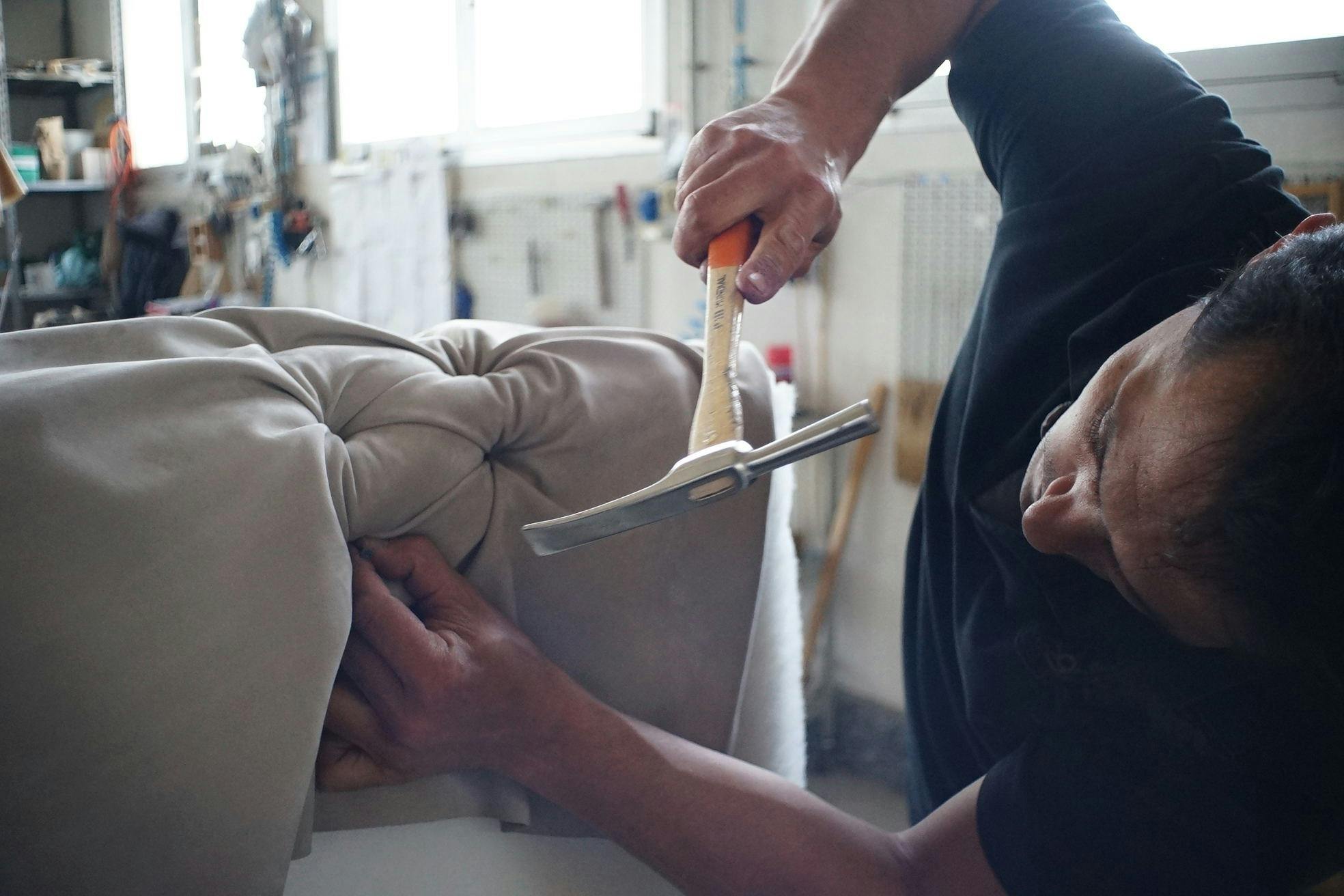
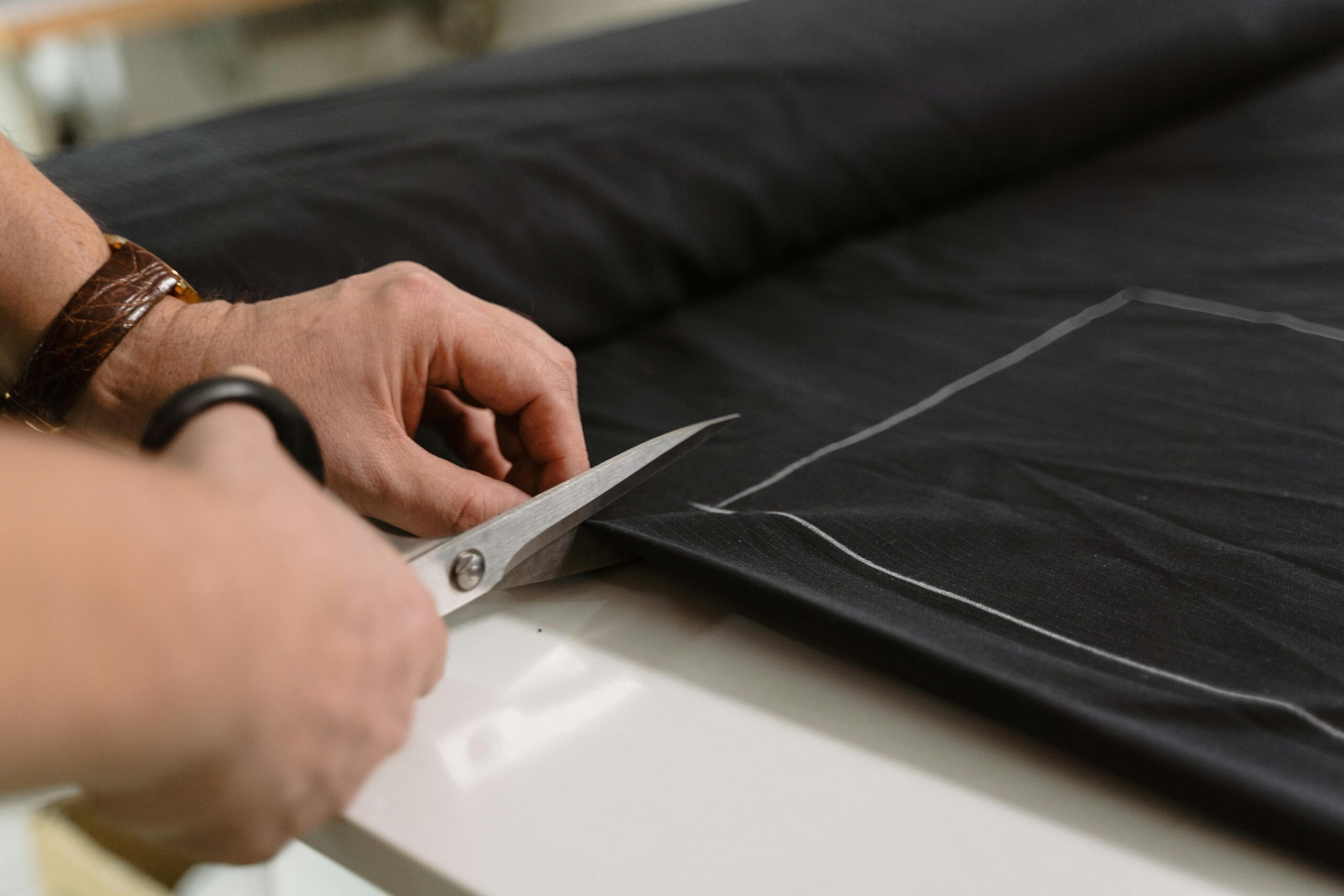
Authentic luxury has always depended on exceptional human skill and artisanal expertise. Transparent supply chains celebrate this human dimension by providing visibility into the craftspeople behind each product, documenting their training, experience, and working conditions.
Some luxury brands have implemented digital platforms that introduce customers to the specific artisans who created their purchases. These profiles include biographical information, photographs of workshops, and explanations of traditional techniques employed. This personalization deepens emotional connections between consumers and products while ensuring accountability for labor practices.
Fair compensation has become a central concern within transparent luxury supply chains. Brands are publishing wage data and demonstrating that craftspeople receive living wages that support dignified lifestyles. This openness challenges industry-wide exploitation and establishes new benchmarks for ethical employment.
Preserving Traditional Techniques Through Transparency
Many luxury crafts depend on traditional techniques passed through generations in specific geographic regions. Transparent supply chains help preserve these cultural traditions by creating direct economic incentives for younger generations to learn heritage skills.
By documenting and celebrating these techniques through detailed supply chain transparency, luxury brands contribute to cultural preservation while differentiating their products through authentic heritage narratives. This approach transforms supply chain transparency from a purely ethical consideration into a value-creation strategy.
Environmental Accountability: Measuring and Reducing Impact 🌍
Comprehensive environmental accounting has become integral to transparent luxury supply chains. Brands are measuring carbon footprints, water consumption, chemical usage, and waste generation throughout production processes, then publicly reporting these metrics alongside improvement targets.
Life cycle assessments provide detailed environmental profiles for individual products, enabling consumers to make informed purchasing decisions. These assessments reveal that environmental impact varies dramatically depending on material choices, manufacturing locations, and transportation methods.
Carbon neutrality commitments have proliferated across the luxury sector, with brands investing in renewable energy, regenerative agriculture, and verified offset programs. However, transparency advocates emphasize that genuine carbon reduction should take precedence over offsetting, which can sometimes function as greenwashing.
Regenerative Practices and Positive Impact
The most progressive luxury brands have moved beyond minimizing harm toward actively regenerating ecosystems. Regenerative agriculture practices improve soil health, sequester carbon, and enhance biodiversity while producing luxury raw materials like cotton, wool, and botanical extracts.
These approaches recognize that true sustainability requires restoring natural systems rather than merely reducing degradation rates. Transparent reporting on regenerative practices demonstrates tangible positive impacts that resonate with environmentally conscious consumers seeking products that contribute to planetary healing.
Consumer Education and Engagement 📱
Transparent luxury supply chains are only meaningful if consumers understand and value the information being provided. Progressive brands have invested heavily in educational initiatives that help customers interpret sustainability credentials and recognize authentic transparency versus superficial greenwashing.
Interactive digital experiences allow consumers to explore supply chains virtually, visiting sourcing locations, meeting craftspeople, and understanding transformation processes. These immersive experiences create emotional engagement while building literacy around ethical luxury consumption.
Certification systems and third-party verification provide additional credibility, though the proliferation of competing standards has created confusion. Industry consolidation toward recognized benchmarks like B Corp certification, Fair Trade verification, and science-based environmental targets helps consumers navigate this complex landscape.
The Business Case for Transparent Luxury
Beyond ethical imperatives, transparent supply chains deliver substantial business advantages. Brand loyalty increases dramatically when consumers trust that companies align with their values. Transparency reduces reputational risks by preventing exploitation scandals that can destroy brand equity accumulated over decades.
Operational efficiency often improves through supply chain transparency initiatives. Enhanced visibility identifies inefficiencies, reduces waste, and enables data-driven optimization. These improvements frequently offset the costs of implementing transparency systems.
Access to capital has increasingly favored transparent, sustainable businesses. Impact investors and ESG-focused funds actively seek companies with demonstrated ethical practices and environmental responsibility. This capital advantage provides competitive positioning in an industry requiring substantial investment.
Premium Pricing and Value Perception
Contrary to concerns that transparency would commoditize luxury, evidence suggests that comprehensive ethical credentials justify premium pricing. Consumers demonstrate willingness to pay more for products with verified sustainable and ethical attributes, particularly within luxury categories where price sensitivity is lower.
Transparent supply chains enhance perceived value by providing meaningful differentiation in crowded markets. The narrative depth created through transparency—stories of craftspeople, material origins, and environmental stewardship—enriches brand identity and justifies luxury positioning.
Challenges and Future Directions 🚀
Despite significant progress, achieving comprehensive supply chain transparency remains challenging. Complex global networks involving hundreds of suppliers across multiple continents create visibility gaps that require ongoing technological and organizational innovation to address.
Standardization represents another persistent challenge. Competing certification schemes, measurement methodologies, and reporting frameworks create confusion and enable selective disclosure that obscures rather than illuminates supply chain realities.
The luxury industry must also address the tension between exclusivity and transparency. Some brands fear that excessive openness will diminish mystique and undermine premium positioning. However, evidence increasingly suggests that transparency enhances rather than diminishes luxury appeal when implemented thoughtfully.
Emerging Technologies and Continuous Innovation
Artificial intelligence and machine learning promise to enhance supply chain monitoring by analyzing vast data streams to identify risks and anomalies. These technologies can predict supply disruptions, detect fraud, and optimize ethical sourcing decisions with unprecedented sophistication.
Internet of Things sensors embedded throughout supply chains provide real-time data on environmental conditions, transportation routes, and storage parameters. This granular visibility enables proactive management and creates comprehensive audit trails that support transparency claims.

Cultivating an Industry-Wide Transformation
Individual brand initiatives, while valuable, cannot achieve the systemic change required for truly ethical luxury. Industry collaboration through consortia and standard-setting organizations is essential for establishing baseline expectations and preventing a race to the bottom.
Regulatory frameworks are evolving to mandate greater supply chain transparency, particularly regarding environmental impacts and labor practices. The European Union’s proposed supply chain due diligence legislation exemplifies this trend, potentially creating legal requirements that accelerate voluntary initiatives.
Ultimately, transparent luxury supply chains represent an evolution of what luxury means in the twenty-first century. The new definition encompasses not just aesthetic beauty and superior craftsmanship but also ethical integrity and environmental responsibility. This expanded conception of luxury responds to fundamental shifts in consumer values while creating more resilient and sustainable business models.
The brands that successfully navigate this transformation will define luxury for future generations, proving that opulence and ethics are not contradictory but complementary. By unveiling their supply chains and embracing radical transparency, these pioneers are crafting a new narrative where sophistication includes sustainability and true elegance incorporates ethics at every stage of creation.