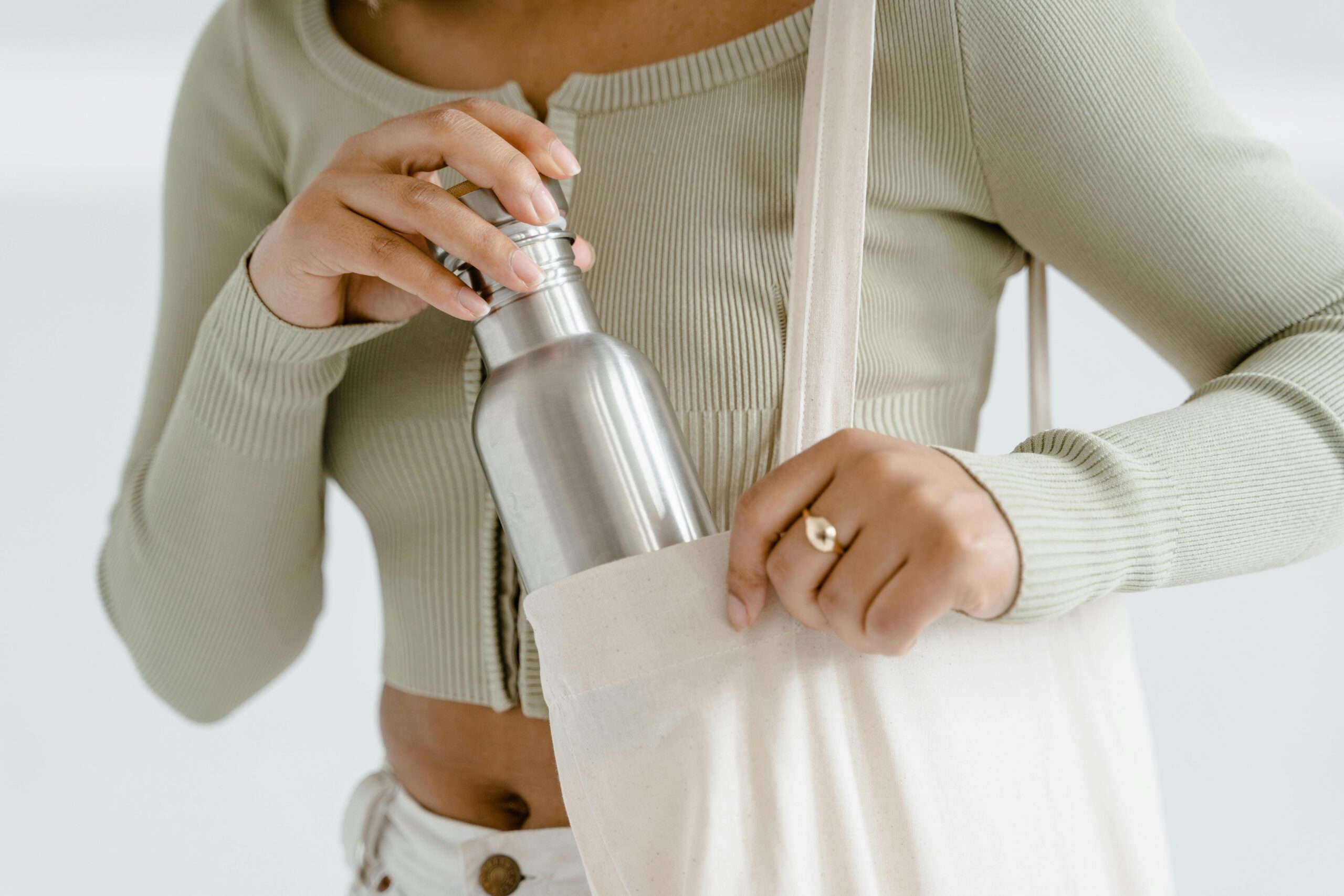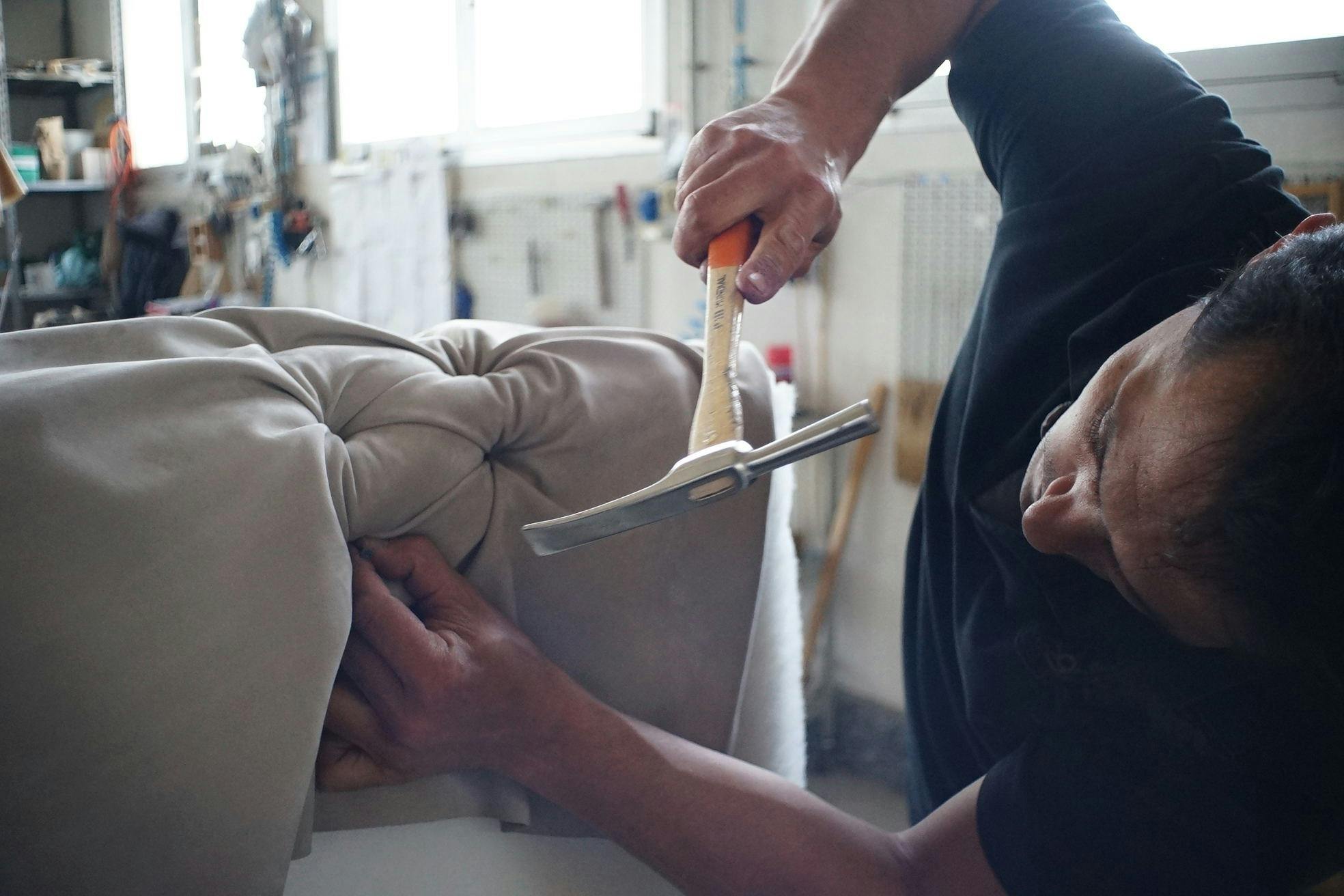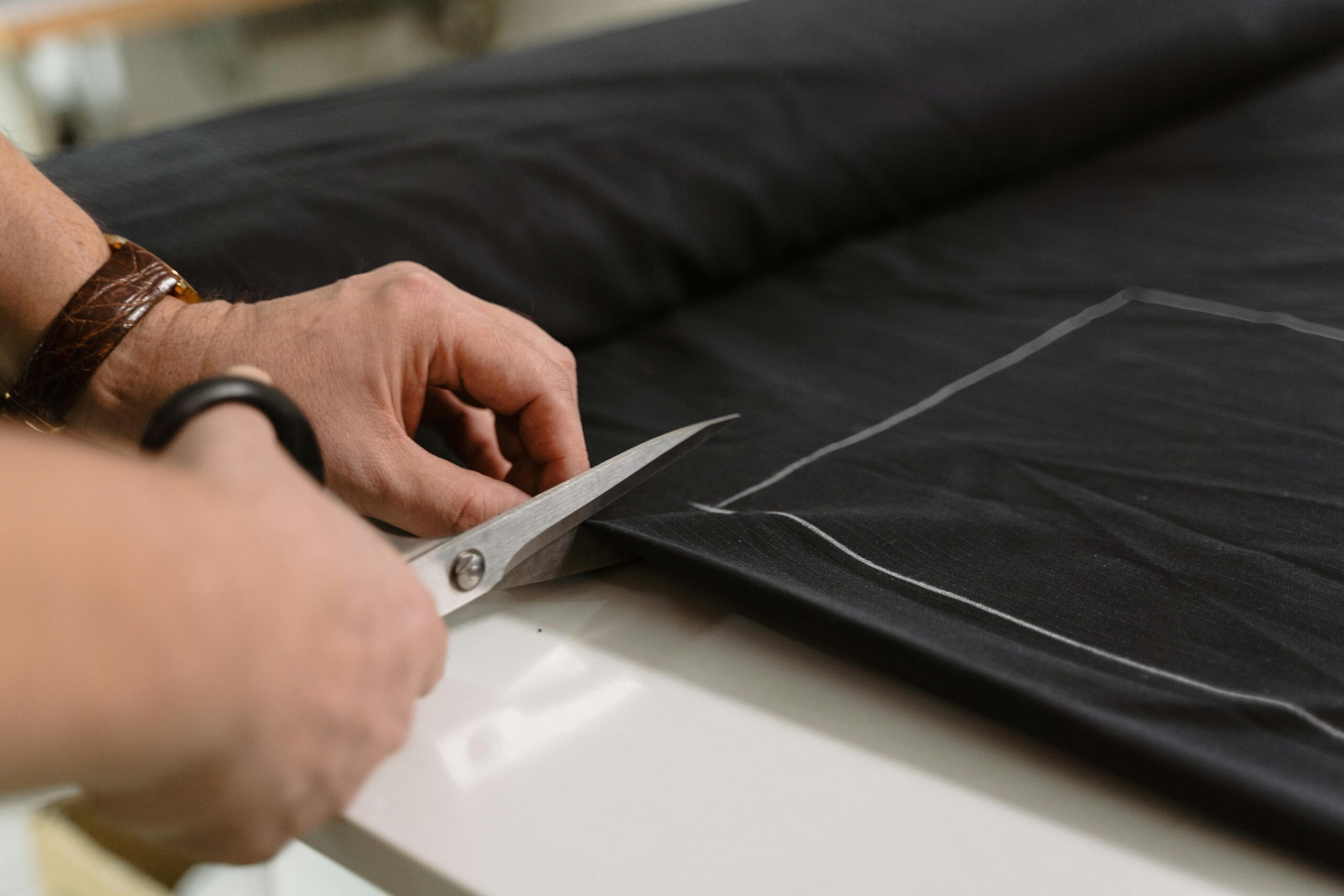
The fashion industry stands at a crossroads where environmental consciousness meets creative innovation. Luxury brands are reimagining elegance through upcycled collections that transform discarded materials into coveted pieces.

This revolution in sustainable luxury challenges traditional notions of exclusivity and craftsmanship. Waste materials once destined for landfills now serve as the foundation for extraordinary fashion statements that rival conventional luxury goods in quality, design, and desirability.
🌟 The Evolution of Upcycled Luxury Fashion
Upcycling in luxury fashion represents a fundamental shift from linear consumption to circular creativity. Unlike recycling, which breaks down materials to create something new, upcycling elevates existing materials into products of greater value and beauty. This process requires exceptional skill, vision, and technical expertise to transform what others consider waste into objects of desire.
Leading fashion houses have embraced this movement with remarkable results. Designers now scour vintage markets, industrial waste streams, and textile surplus to discover materials with hidden potential. The creative challenge lies not in working with pristine resources but in revealing the inherent beauty within discarded fabrics, leather scraps, and production remnants.
The upcycled luxury sector has experienced exponential growth over recent years. Consumers increasingly recognize that true elegance doesn’t require environmental destruction. This mindset shift has created space for innovative brands to flourish while established houses adapt their practices to meet evolving expectations.
Craftsmanship Meets Sustainability ♻️
The intersection of traditional craftsmanship and sustainable practices defines modern upcycled luxury. Artisans apply centuries-old techniques to unconventional materials, creating pieces that honor both heritage and innovation. This fusion requires technical mastery and creative problem-solving that exceeds traditional luxury production.
Master craftspeople must assess each material’s unique characteristics, understanding how age, wear, and previous use affect workability. A vintage silk scarf demands different handling than production deadstock. Leather from deconstructed furniture requires alternative treatment compared to purpose-manufactured hides. This individualized approach ensures every piece receives the attention necessary to achieve luxury standards.
Material Selection and Quality Assessment
Sourcing materials for upcycled luxury collections involves rigorous quality control. Designers evaluate potential materials across multiple dimensions:
- Structural integrity and durability for intended applications
- Aesthetic potential including color, texture, and pattern compatibility
- Historical significance that adds narrative value
- Chemical composition ensuring safety and longevity
- Availability of complementary materials for cohesive collections
This selective process ensures only materials capable of supporting luxury standards enter production. The rejection rate often exceeds 70%, demonstrating the commitment to excellence that defines upcycled luxury.
Design Philosophy Behind Waste Transformation 🎨
Creating luxury from waste requires a distinctive design philosophy that embraces constraints as creative catalysts. Designers working with upcycled materials cannot simply sketch a vision and order corresponding fabrics. Instead, they engage in responsive design where available materials influence creative direction.
This approach produces collections with inherent uniqueness. When working with limited quantities of specific materials, designers create capsule collections or one-of-a-kind pieces that enhance exclusivity. The scarcity becomes an asset rather than limitation, appealing to luxury consumers seeking truly distinctive items.
Progressive brands develop signature techniques that become recognizable aesthetic markers. Some specialize in deconstructing and reconstructing vintage garments into contemporary silhouettes. Others focus on combining disparate materials—pairing industrial textiles with delicate lace or mixing leather remnants with precious metals salvaged from electronic waste.
Innovation in Production Techniques
Technical innovation drives the upcycled luxury sector forward. Designers develop proprietary methods for cleaning, treating, and transforming waste materials without compromising their distinctive characteristics. These processes often involve:
- Gentle restoration techniques that preserve patina and character
- Reinforcement methods that extend material lifespan without altering appearance
- Color correction and enhancement using eco-friendly treatments
- Deconstruction protocols that maximize usable material from complex sources
- Assembly innovations that accommodate irregular or damaged sections
Investment in research and development separates leaders from followers in this space. Brands that pioneer new techniques gain competitive advantages while advancing the entire industry’s capabilities.
Economic Viability of Luxury Upcycling 💎
The business case for upcycled luxury extends beyond environmental benefits. While material costs vary, established sourcing relationships often provide access to premium waste materials at advantageous prices. The value creation occurs through design vision and skilled craftsmanship rather than raw material expense.
Labor intensity represents the primary cost factor. Each piece requires significant hands-on work from assessment through completion. However, this human-centric production model aligns with luxury positioning where craftsmanship justifies premium pricing. Consumers increasingly appreciate and willingly pay for the artisan hours invested in their unique pieces.
Marketing advantages further enhance economic viability. Upcycled collections generate substantial media interest and social engagement. The compelling narratives behind material sourcing and transformation create shareable content that builds brand awareness organically. This storytelling capacity reduces customer acquisition costs while strengthening emotional connections with buyers.
🌍 Environmental Impact and Measurable Benefits
The environmental advantages of upcycled luxury fashion extend across multiple dimensions. Diverting materials from waste streams prevents landfill accumulation and incineration emissions. Each kilogram of textile waste upcycled eliminates the environmental burden of disposal while avoiding the substantial impact of producing virgin materials.
Water conservation represents another significant benefit. Conventional textile production consumes enormous water quantities for growing fibers, dyeing, and finishing. Upcycling bypasses these water-intensive processes, dramatically reducing this precious resource’s consumption. Some estimates suggest upcycling saves over 20,000 liters of water per kilogram compared to conventional cotton production.
Carbon footprint reduction provides quantifiable environmental advantages. Manufacturing new textiles generates substantial greenhouse gas emissions throughout supply chains. Upcycled production eliminates most of these emissions, creating products with dramatically lower carbon footprints. Transparent brands conduct lifecycle assessments demonstrating environmental superiority over conventional luxury goods.
Circular Economy Integration
Upcycled luxury brands exemplify circular economy principles in action. Rather than following linear take-make-dispose models, these businesses close loops by valuing materials throughout their lifecycles. This systemic approach influences the entire fashion ecosystem, demonstrating viable alternatives to wasteful practices.
Progressive brands extend circularity beyond production. They implement take-back programs allowing customers to return worn pieces for further upcycling or responsible disposal. Some offer repair services that extend product lifespans while maintaining relationships with customers. These initiatives reinforce circular thinking while generating additional revenue streams.
Consumer Psychology and Luxury Perception ✨
Understanding luxury consumer psychology proves essential for upcycled brands. Traditional luxury relied heavily on exclusivity, heritage, and material rarity. Upcycled luxury maintains these elements while adding contemporary values like environmental responsibility, authenticity, and meaningful consumption.
Modern luxury consumers, particularly younger demographics, prioritize brand values alongside product quality. They investigate supply chains, question production ethics, and favor businesses aligned with their principles. Upcycled luxury satisfies these concerns while delivering the aesthetic excellence and exclusivity these consumers demand.
The narrative component significantly enhances perceived value. Each upcycled piece carries a story—the materials’ previous life, the discovery process, the creative transformation. These narratives create emotional connections that transcend transactional relationships, fostering brand loyalty and advocacy.
Leading Brands and Notable Collections 🏆
Several pioneering brands have established themselves as leaders in upcycled luxury. These innovators demonstrate the sector’s commercial viability while pushing creative boundaries. Their success inspires newcomers and encourages established houses to explore upcycling opportunities.
Marine Serre gained international recognition for collections incorporating upcycled materials, including her signature crescent moon prints on regenerated fabrics. Her work proves upcycled pieces can achieve runway success and critical acclaim. The brand’s growth trajectory demonstrates strong market demand for well-executed sustainable luxury.
Maison Margiela’s Recicla line transforms archive pieces and deadstock into contemporary designs. This approach honors the house’s deconstructionist heritage while addressing sustainability concerns. The collection’s success with fashion insiders validates upcycling as a legitimate luxury expression rather than compromise.
Smaller independent brands also make significant impacts. These nimble operations often pioneer techniques and approaches that larger houses later adopt. Their dedication to craft and environmental principles establishes credibility that resonates with conscious consumers seeking alternatives to mass luxury.
Challenges and Solutions in Scaling Upcycled Production 🔧
Scaling upcycled luxury production presents unique challenges. Material availability constraints limit growth potential since brands depend on waste streams rather than manufactured supplies. Securing consistent access to suitable materials requires extensive sourcing networks and strategic partnerships with industries generating desirable waste.
Quality consistency poses another challenge when working with variable materials. Establishing rigorous standards and inspection protocols helps maintain luxury expectations despite material variations. Some brands embrace inconsistency as a feature, marketing variations as proof of authenticity and handcrafted quality.
Production efficiency requires balancing customization with scalable processes. While each piece may use unique materials, standardizing certain procedures maintains quality while controlling costs. Modular design approaches allow customization within structured frameworks, enabling growth without sacrificing the artisanal character.
Technology Integration in Upcycled Fashion
Technology increasingly supports upcycled luxury production. Digital tools help designers visualize potential transformations before cutting precious materials. Pattern-making software optimizes material usage, minimizing waste even within upcycling processes. Inventory management systems track diverse material sources and characteristics.
Some forward-thinking brands employ artificial intelligence to identify upcycling opportunities. Machine learning algorithms analyze material libraries, suggesting combinations and applications designers might overlook. These tools augment human creativity rather than replacing it, expanding possibilities while respecting artisan expertise.
Future Directions for Upcycled Luxury Fashion 🚀
The upcycled luxury sector stands poised for continued expansion. Consumer demand grows as environmental awareness increases and mainstream acceptance of sustainable fashion solidifies. This momentum creates opportunities for new entrants while encouraging established brands to embrace upcycling more seriously.
Collaboration between luxury houses and waste-generating industries will likely intensify. Fashion brands partnering with automotive, furniture, or technology sectors gain access to premium materials like leather, metals, and technical fabrics. These partnerships benefit all parties by creating value from waste streams while generating positive publicity.
Education and skill development will prove crucial for sector growth. Training programs teaching upcycling-specific techniques ensure adequate talent pipelines. Universities and fashion schools increasingly incorporate sustainable design principles, including upcycling methodologies, into curricula. This educational focus prepares future designers for industry evolution.
Building Your Upcycled Luxury Wardrobe 👗
Consumers interested in supporting upcycled luxury can approach wardrobe building strategically. Starting with statement pieces allows experimentation without complete wardrobe overhaul. Upcycled jackets, bags, or accessories integrate easily into existing wardrobes while making visible sustainability commitments.
Research brands thoroughly to identify those aligned with personal values and aesthetic preferences. Review sourcing transparency, production practices, and business ethics. Authentic upcycled luxury brands willingly share detailed information about materials and processes, distinguishing themselves from greenwashing pretenders.
Consider investment pieces that transcend trends. Upcycled luxury’s inherent uniqueness suits timeless styles over fast-changing fashions. Classic silhouettes in quality materials provide years of wear while maintaining value. This approach maximizes environmental benefits while delivering the longevity luxury consumers expect.
The Cultural Shift Toward Sustainable Elegance 🌿
Upcycled luxury represents more than product innovation—it signals cultural transformation. Society increasingly questions consumption patterns and their consequences. Luxury, once defined by excess and disposability, now incorporates responsibility and longevity. This evolution reflects broader value shifts prioritizing sustainability alongside beauty and quality.
Social media amplifies this cultural conversation. Influencers and thought leaders showcase upcycled pieces, normalizing sustainable luxury for wider audiences. Transparency about materials and production processes builds trust and engagement. This visibility accelerates adoption by demonstrating that environmental consciousness enhances rather than compromises style.
The movement challenges fundamental assumptions about value creation. By transforming waste into coveted objects, upcycled luxury proves that worth derives from creativity and craftsmanship rather than virgin resources. This realization has profound implications extending beyond fashion into broader economic and environmental discussions.
Reimagined elegance through upcycled luxury collections demonstrates that waste represents opportunity rather than problem. Visionary designers, skilled artisans, and conscious consumers collaborate to create beautiful objects while reducing environmental impact. This approach preserves craftsmanship traditions while addressing contemporary challenges, proving that luxury and sustainability not only coexist but enhance each other. As the movement matures, upcycled luxury will likely transition from alternative niche to mainstream expectation, fundamentally reshaping how we conceive, create, and consume fashion.